You fund it. Communities own it.
Somewhere in your organisation is a document full of good commitments. This is where you point it. Infrastructure a community owns long after the launch photo is filed.
Under way in the Torres Strait · the pillar with the highest leverage in the plan · concept imagery
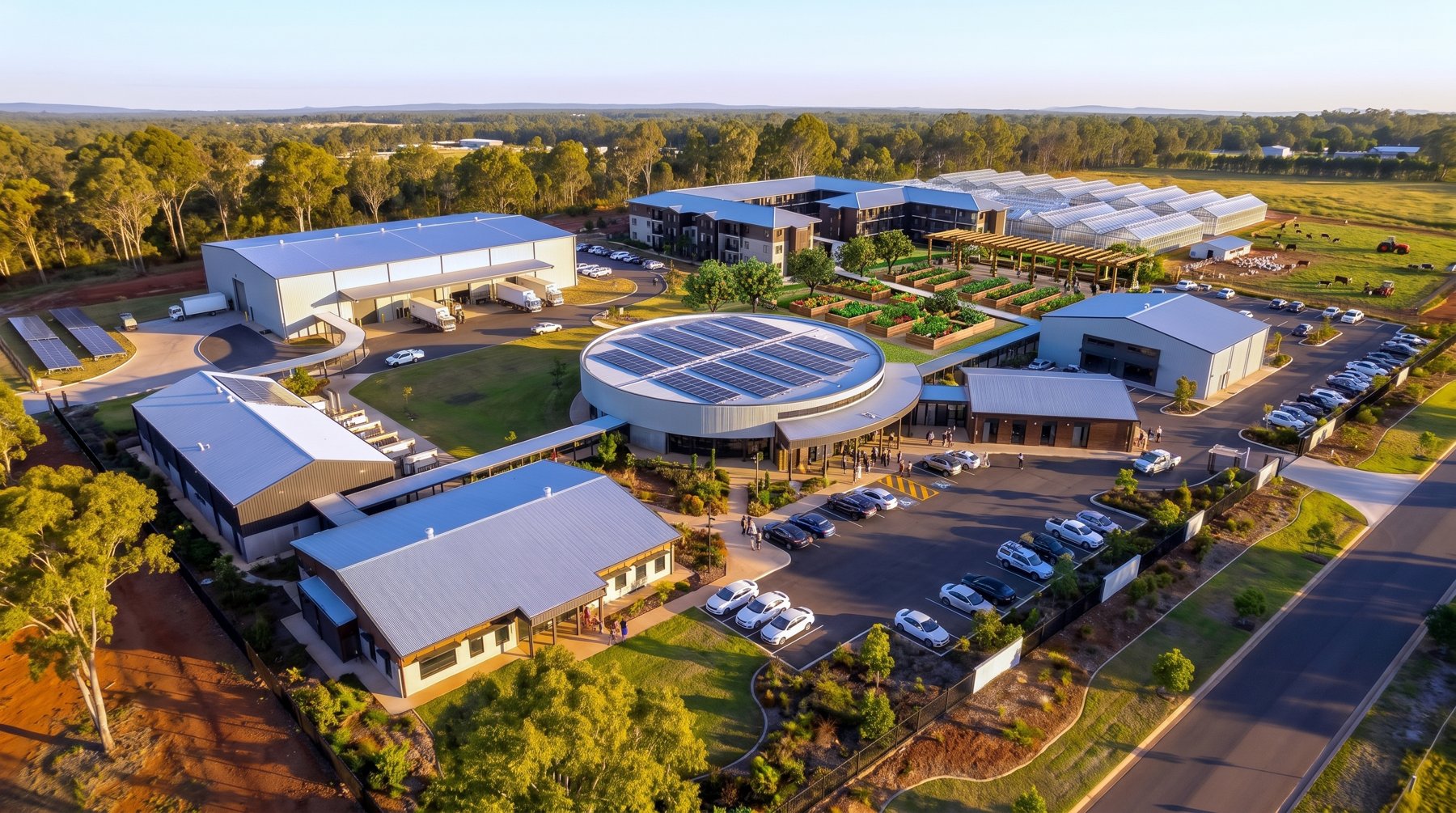
Anchor the capital stack with patient philanthropic capital. Open books, a seat beside the governance, first call on the evidence as it lands, and a place in the story that outlasts all of us.
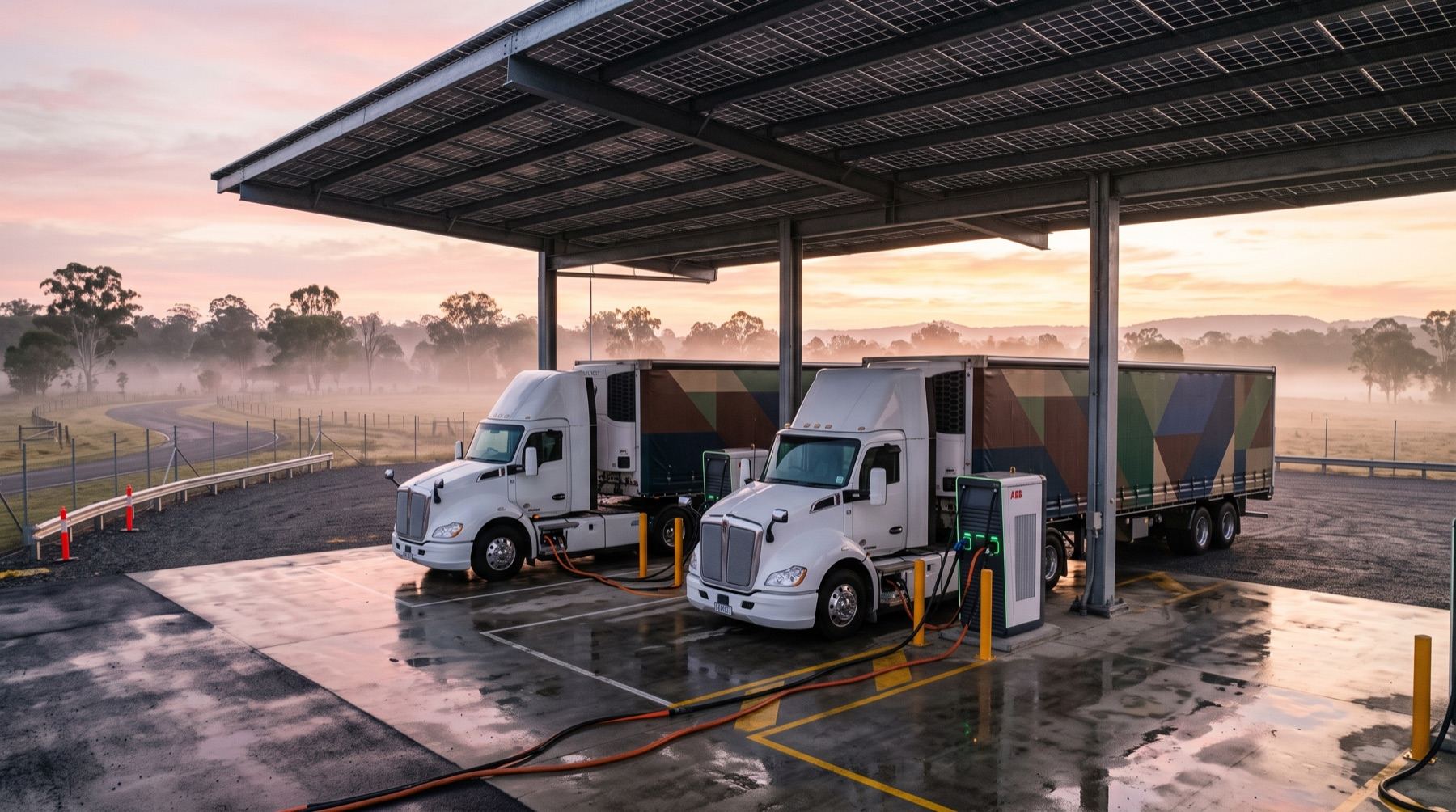
Fund the Road, the Sea or the Precinct, or a discrete asset inside one: a vessel, a truck, a greenhouse, the kitchen. A clean story with figures your board can hold on one page.

Second your people. An engineer to the depot, a mariner to the vessels, an agronomist to the greenhouses, a trainer to the kitchen. Often the most useful thing a company can give is the thing it already does well.
The stack is blended by design. Philanthropy takes the risk capital. Government facilities take infrastructure debt. Energy agencies take the energy assets. Corporate partners take the pillar that maps to commitments they have already made. Nobody is asked to carry the whole hundred million, and nobody's contribution is decoration.
Open books from the first conversation.
Every serious conversation gets the full business case, the costings workbook with every assumption visible, and the research library where every claim is labelled verified, derived or indicative. We report in figures and in film, twice a year. What we will not do is dress an estimate as a fact to close a deal.
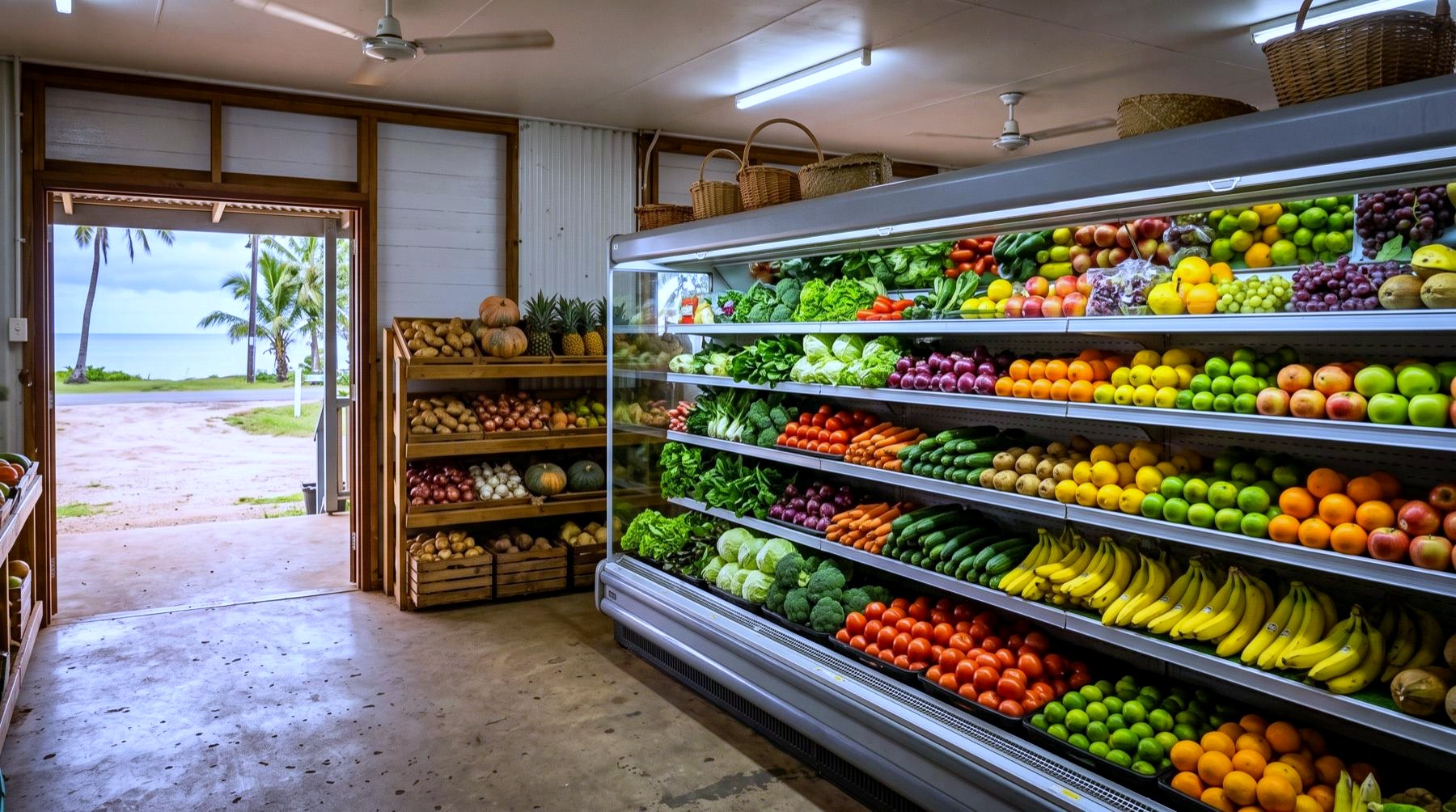

Start a conversation.
Write to Levi@futures.org.au, or use the form. It goes straight to the founder, not a funnel.
The path is already being walked. The only question is whether you walk it with us.