What could $100 million fix that fifty years of programs could not?
Not another program. Trucks, ships and a working precinct, owned by First Nations communities, built to break the system that keeps food expensive. One cornerstone funder makes it real.
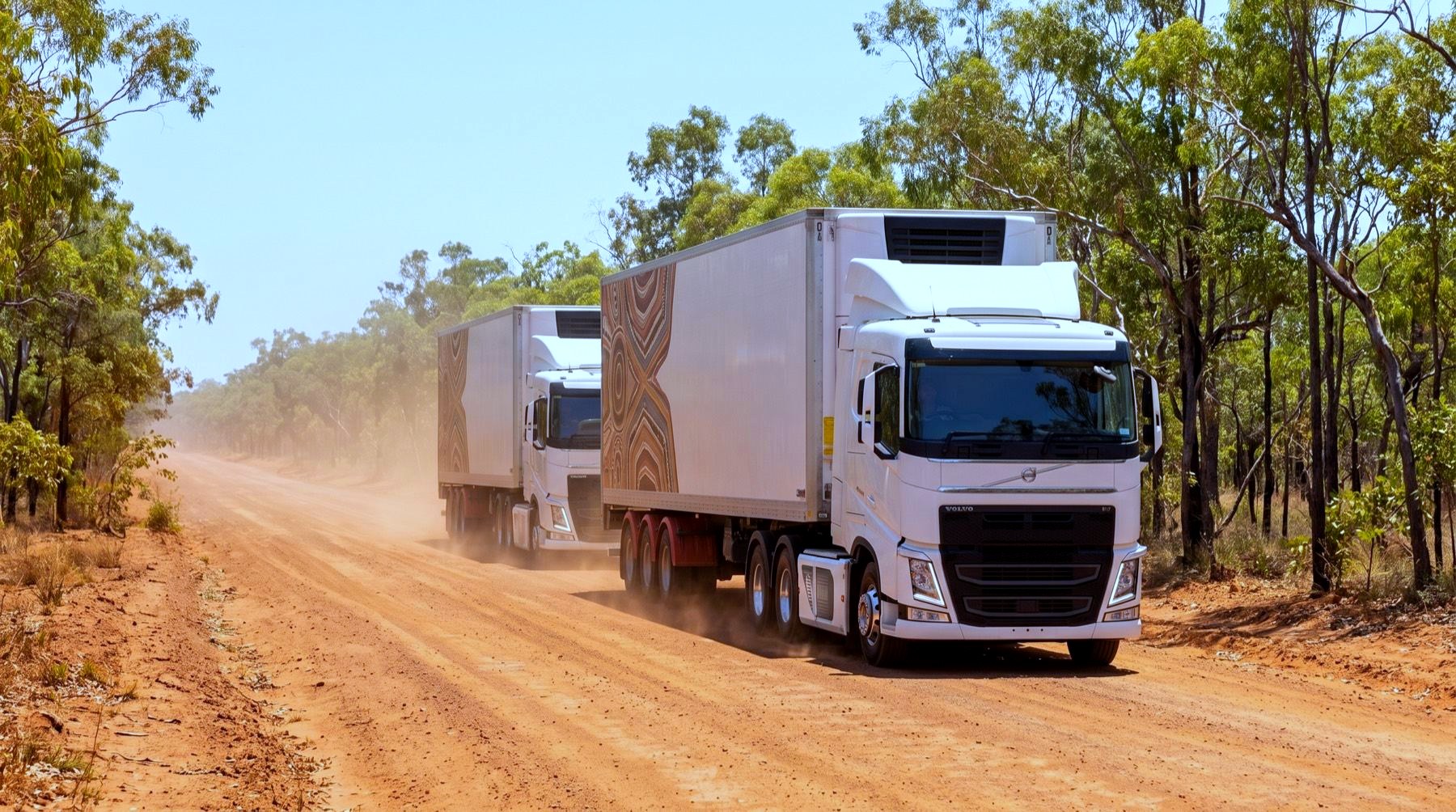
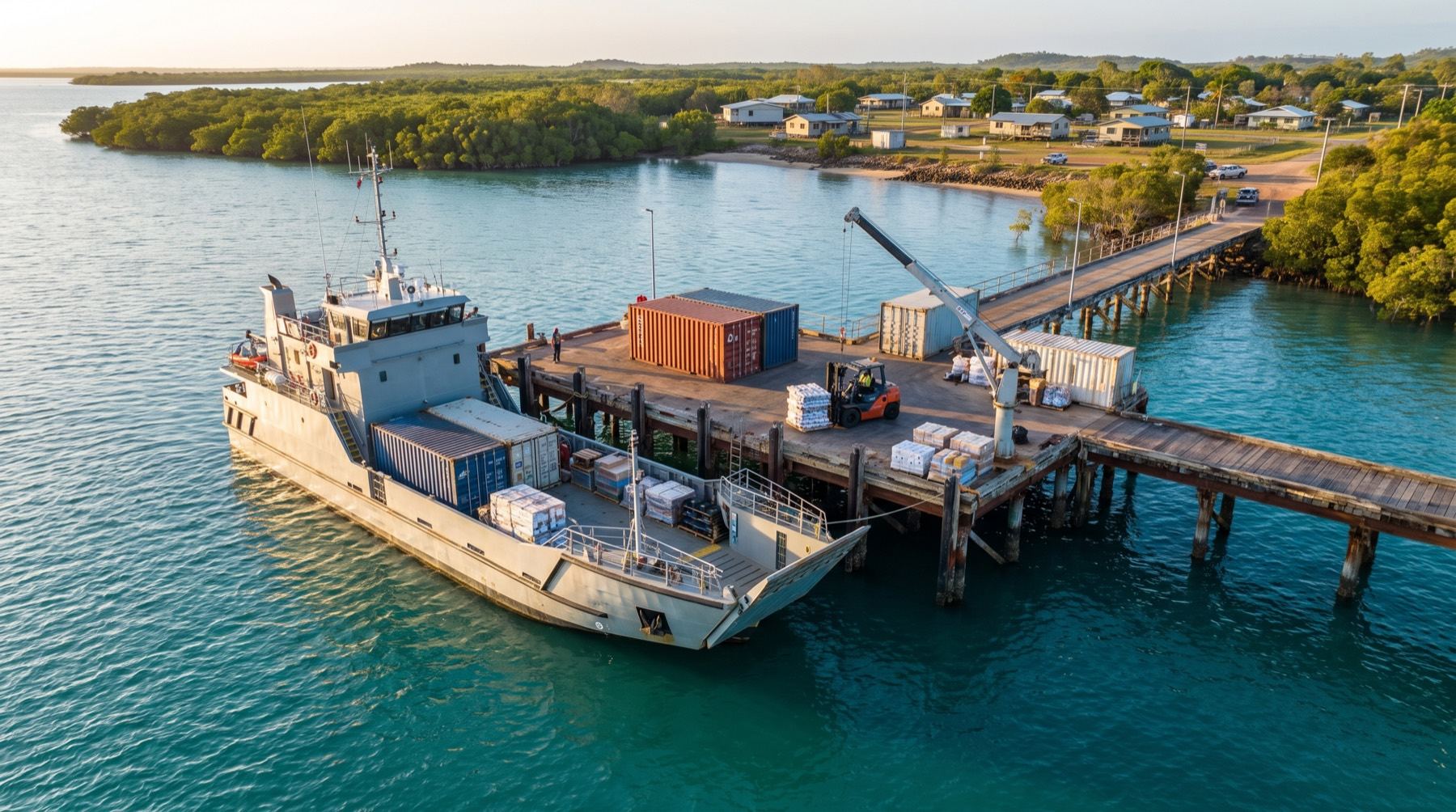
The Peninsula Developmental Road · about 145 kilometres of it will still be unsealed after the current works · concept imagery
Remote communities pay the highest food prices in the country.
Follow the money and you find a loop. Government funds food security programs. The food travels north on a freight monopoly. The monopoly is controlled by the government's own investment corporation, and the returns flow to institutional capital.
The communities the money was meant to serve own nothing at any point in the chain. That is not corruption, and it is not accident. It is architecture. Our founder spent three years mapping it in Hunger by Design. The evidence below is the short version.
Remote First Nations households that experienced food insecurity due to lack of money
Remote store price for the basket of staples that costs $44.70 in the capitals
How much more a healthy food basket can cost in Cape York than in Brisbane
Share of the food eaten in remote communities that is bought at the community store
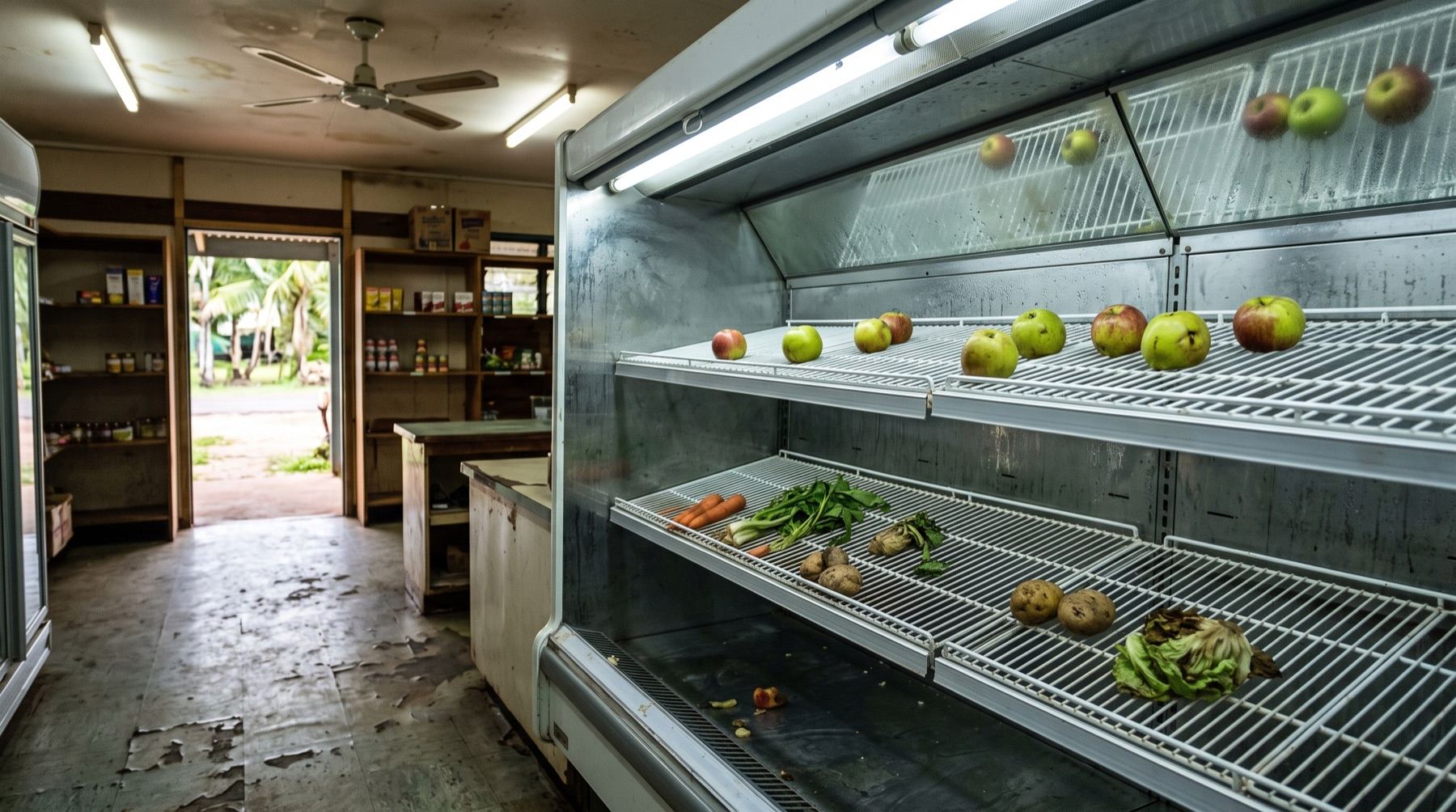
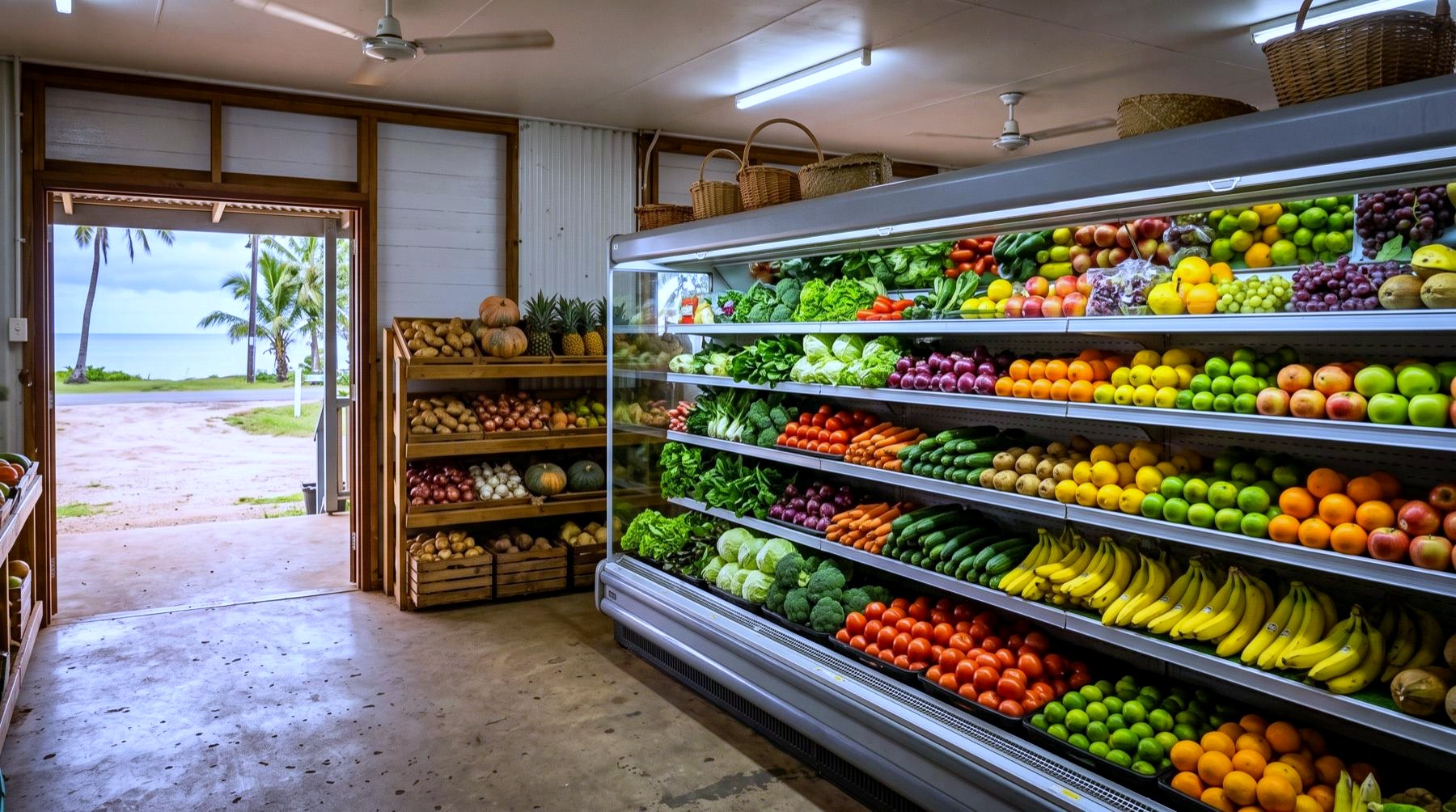
I'm not describing corruption. I'm describing procurement design.
Infrastructure keeps working after the funding stops.
Direct government spending on First Nations Australians was $33.4 billion in a single year, on the most recent national estimate. Through 26 years of strategies, inquiries and audits, the food system architecture has not changed. So we stopped asking for a better program and started designing the infrastructure that makes the program unnecessary.
$100 million is about 0.3 per cent of one year of that spend. A drop in the ocean. Aimed at ownership instead of activity, it is enough to build three things at once. Each one works alone. Together they compound.
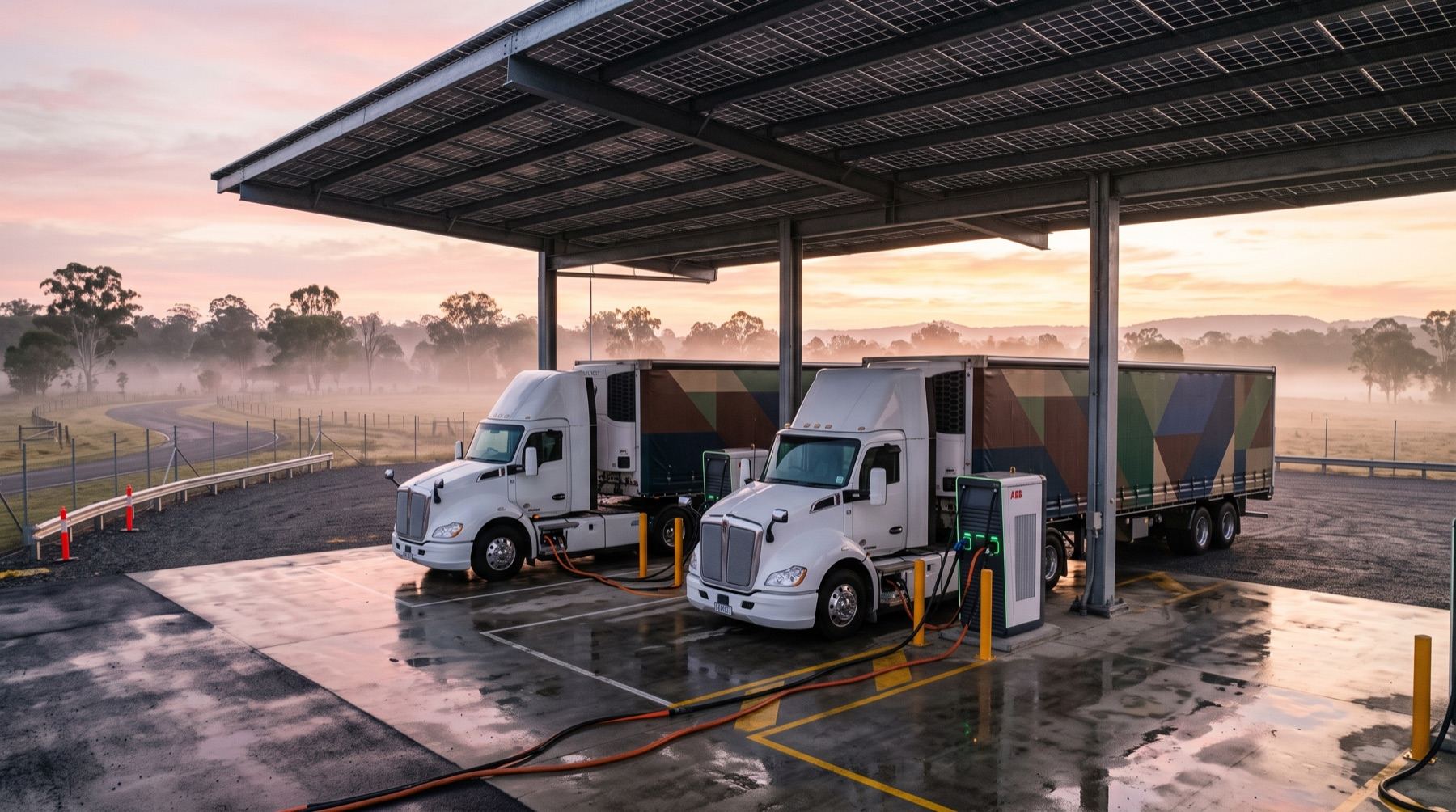
Electric trucks moving food north for less.
Freight is the tax on every meal in the north. Diesel sets the floor price of everything a remote store sells. Electric linehaul rewrites the energy line: about $39 of electricity per 100 km against about $80 of diesel.
Ten battery electric prime movers and twelve refrigerated trailers, based at the precinct and charged from its own sun. The first Australian built electric heavy trucks rolled off Volvo's Wacol line in July 2026, an hour up the road. This is not a bet on future technology. It is a production line in Brisbane.
Electric linehaul Brisbane to Cairns. Fixed schedule, guaranteed cold chain, rates targeted 20 to 30 per cent below prevailing diesel benchmarks. Targets are indicative until lane rate cards are in hand, and we say so.
Cairns north, intermodal. Our trucks meet our ships. Road in the dry season, sea in the wet, one booking, one cold chain, door to store.
As sealing and charging reach the Peninsula Developmental Road, electric linehaul goes all the way to the tip. That is the ambition. We will not sell it as the promise until the road can keep it.
Battery electric prime movers, with twelve refrigerated trailers behind them
Energy cost per 100 km, electric against diesel, from a 2026 published comparison
Kilometres from Brisbane to Cairns on the Bruce Highway
First Nations drivers taken through the multi combination licence pathway
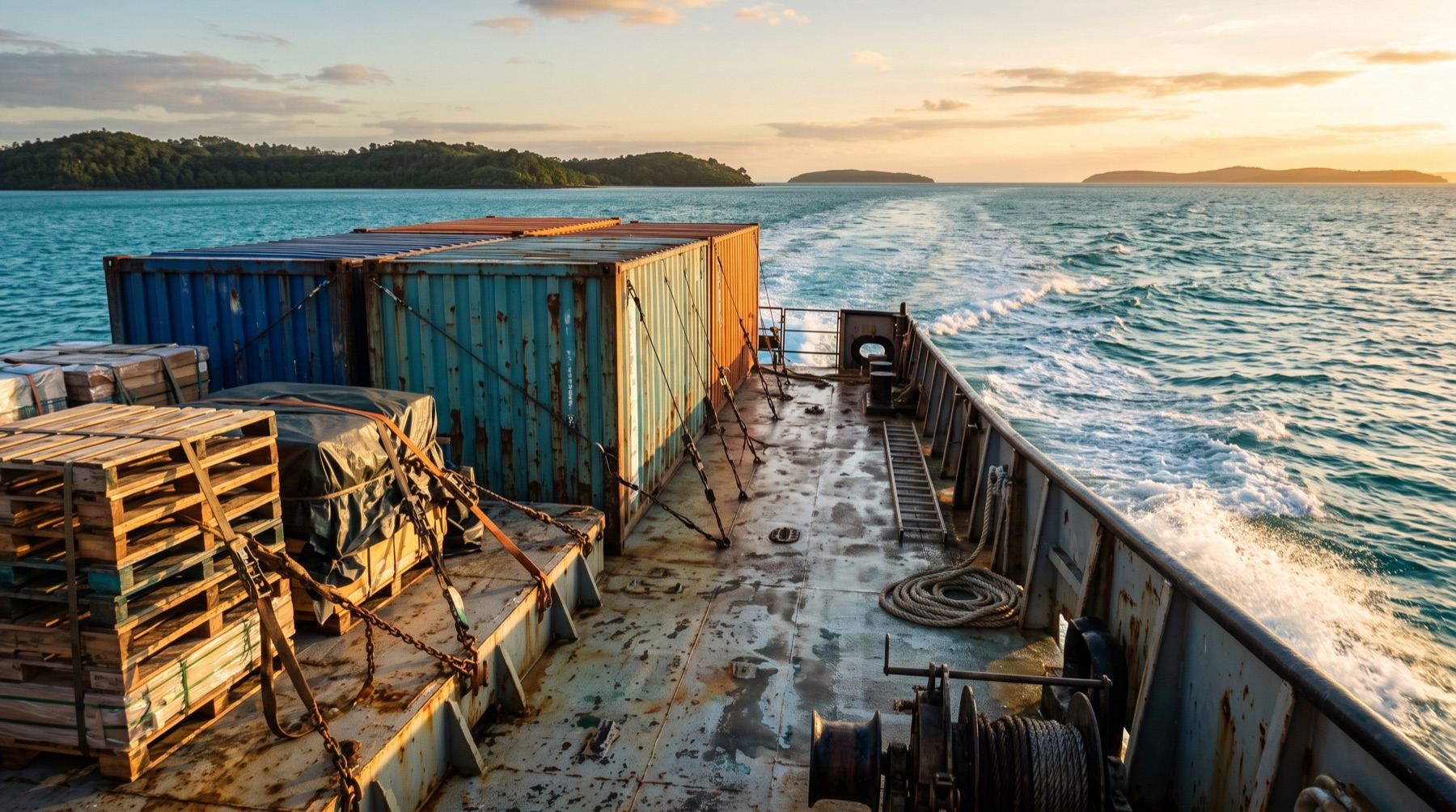
One company controls the sea freight north.
Sea Swift is the sole scheduled sea freight operator on most routes to the Torres Strait and the northern coast. That is not our claim. It is the regulator's published finding.
In June 2026 the ACCC accepted a court enforceable undertaking from Sea Swift over contract clauses that kept competitors out. The clauses are gone. The ships are not. A door has been unlocked, and after a decade of consolidation there is almost nobody left standing to walk through it. So we will.
- QIC's infrastructure fund paid just under $300 million for Sea Swift in 2019
- The price caps that came with the 2016 merger approval expired around 2021
- Rates rose 14.5 per cent in 2022 and 8.9 per cent in 2023
- The fuel levy peaked at 57 per cent in 2022
- Freight can add up to 39 per cent to the cost of goods in barge served stores
- ACCC, June 2026: sole supplier of regular scheduled sea freight on most routes since September 2025
- 114 customers were locked in under exclusivity agreements in 2023 to 24, unwinding to 54 as the ACCC investigation bit
The answer is two vessels, acquired and refitted for cold chain and essential fuel, crewed through a Torres Strait maritime pathway, scheduled around community, with equity held by community. The service design scales the Masig Island pilot our researchers are mapping: one anchor island, then the cluster, then the strait. Torres Strait Islanders have navigated these waters for millennia. Nunavut's Inuit owned sealift proves the ownership model in waters far harsher than ours.
Vessels, refitted for cold chain and essential fuel, owned where they serve
Working capital reserve, sized for an incumbent price response
Torres Strait price premium over the mainland, in evidence to the Queensland parliament
People in the discrete communities of Cape York, the NPA and the Torres Strait, derived from ABS 2021 Census QuickStats
This is the single highest leverage move in the whole project. Every dollar of freight cost removed is removed from every meal, every week, forever.
One site receives, cooks, grows and trains.
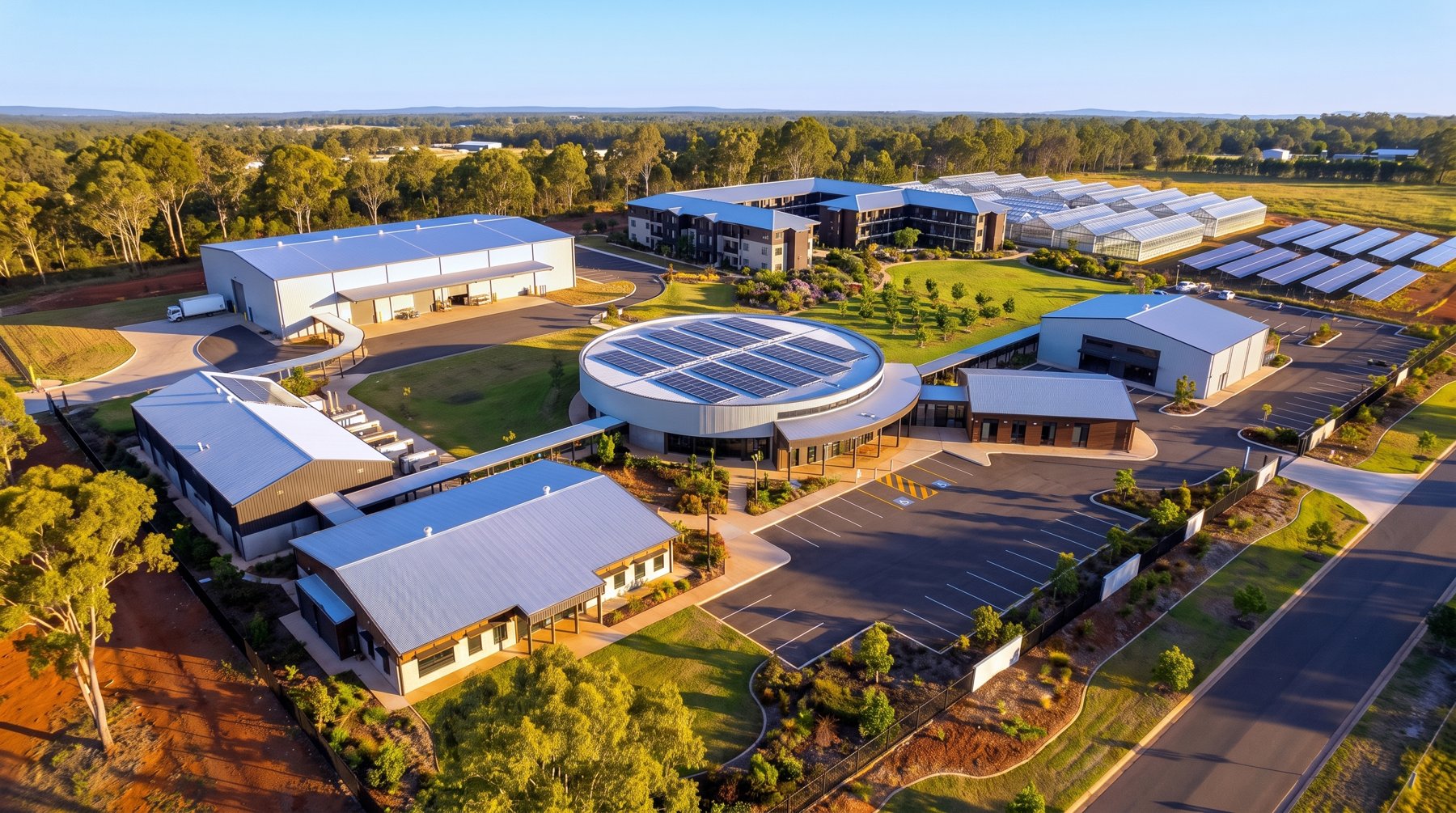
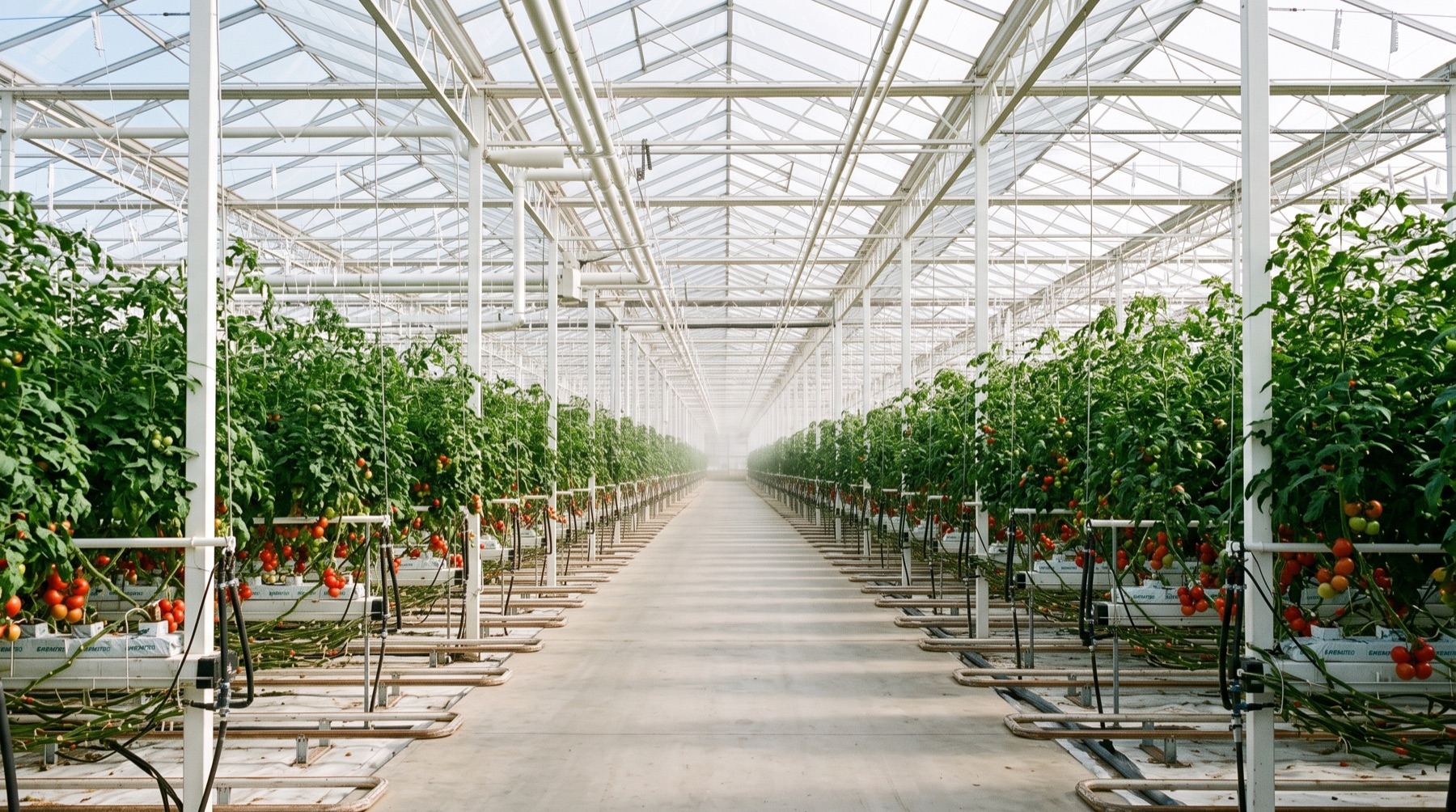
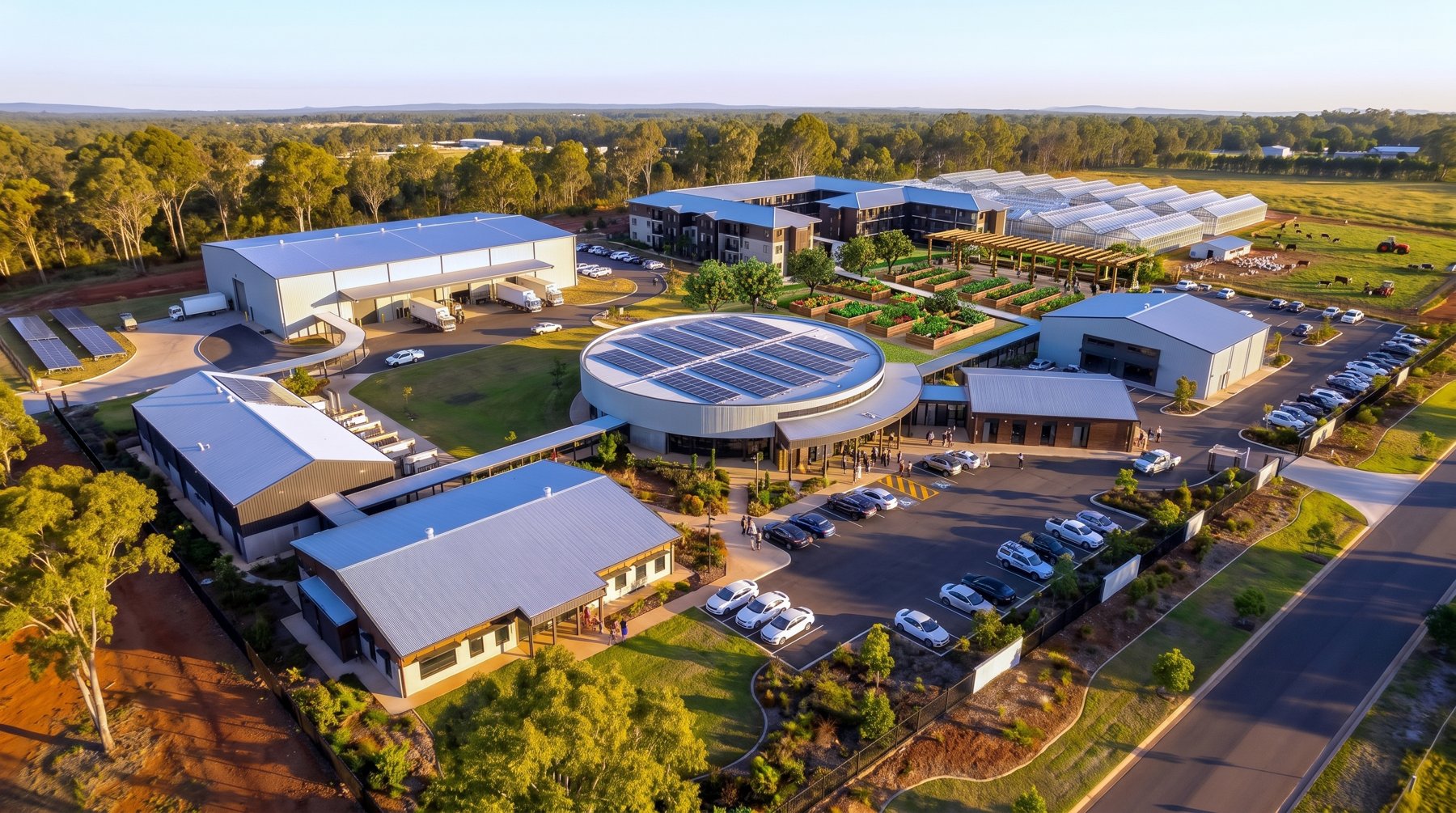
On the Gold Coast, one site does the quiet work. It receives and stores food. It cooks at scale. It grows at scale. It trains the workforce, houses the visitors, generates the power that charges the fleet, and earns the commercial revenue that keeps the dream running without a grant cycle attached.
Explore the masterplan. Tap a marker, or filter by zone.
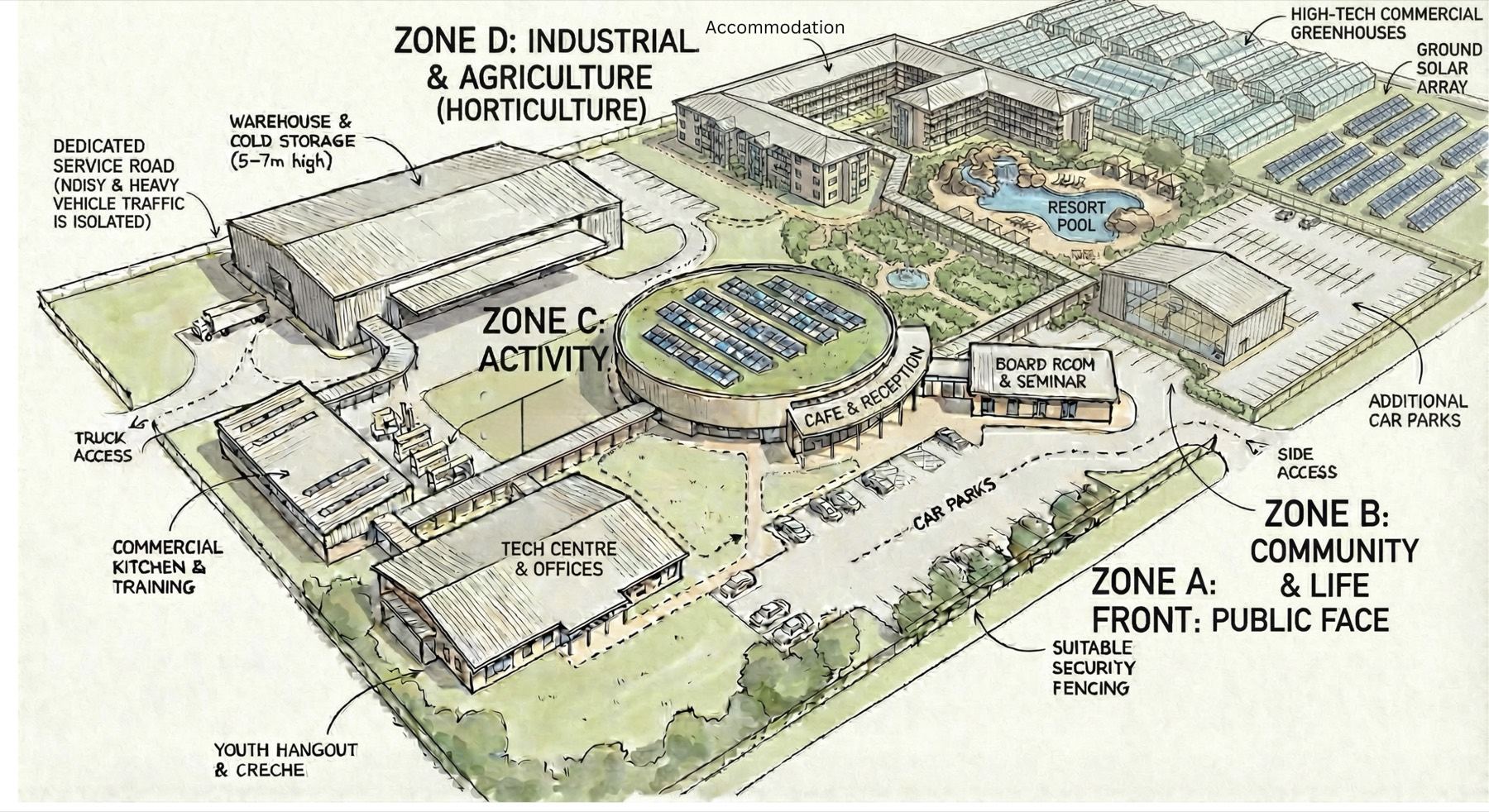
Warehouse and cold storage, ambient to frozen, receiving freight and donated food
Meals a year of kitchen capacity, on the model FareShare has proven in Brisbane
High tech greenhouses growing for the kitchen, the caterer and the freight line
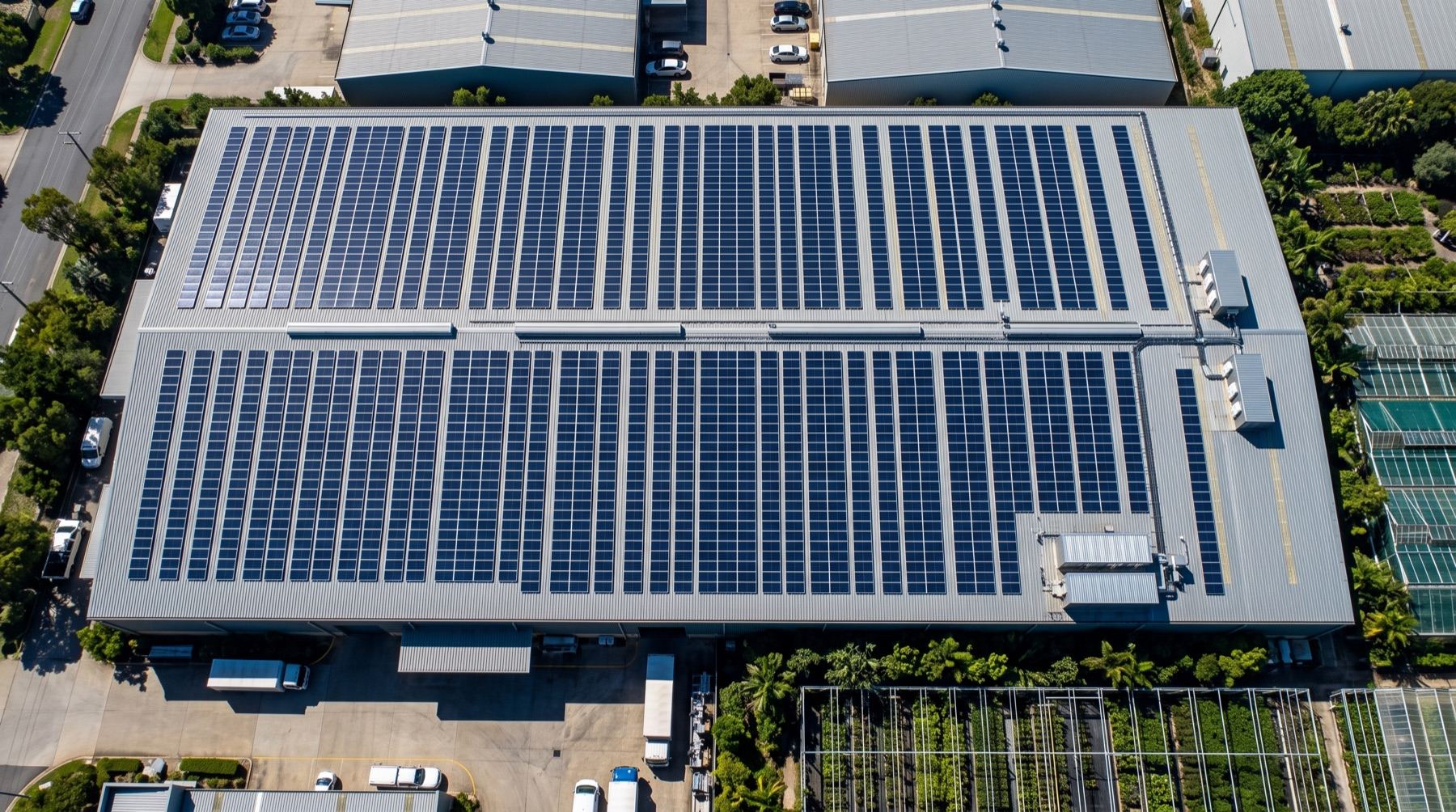
Solar with storage, powering the precinct and charging the fleet
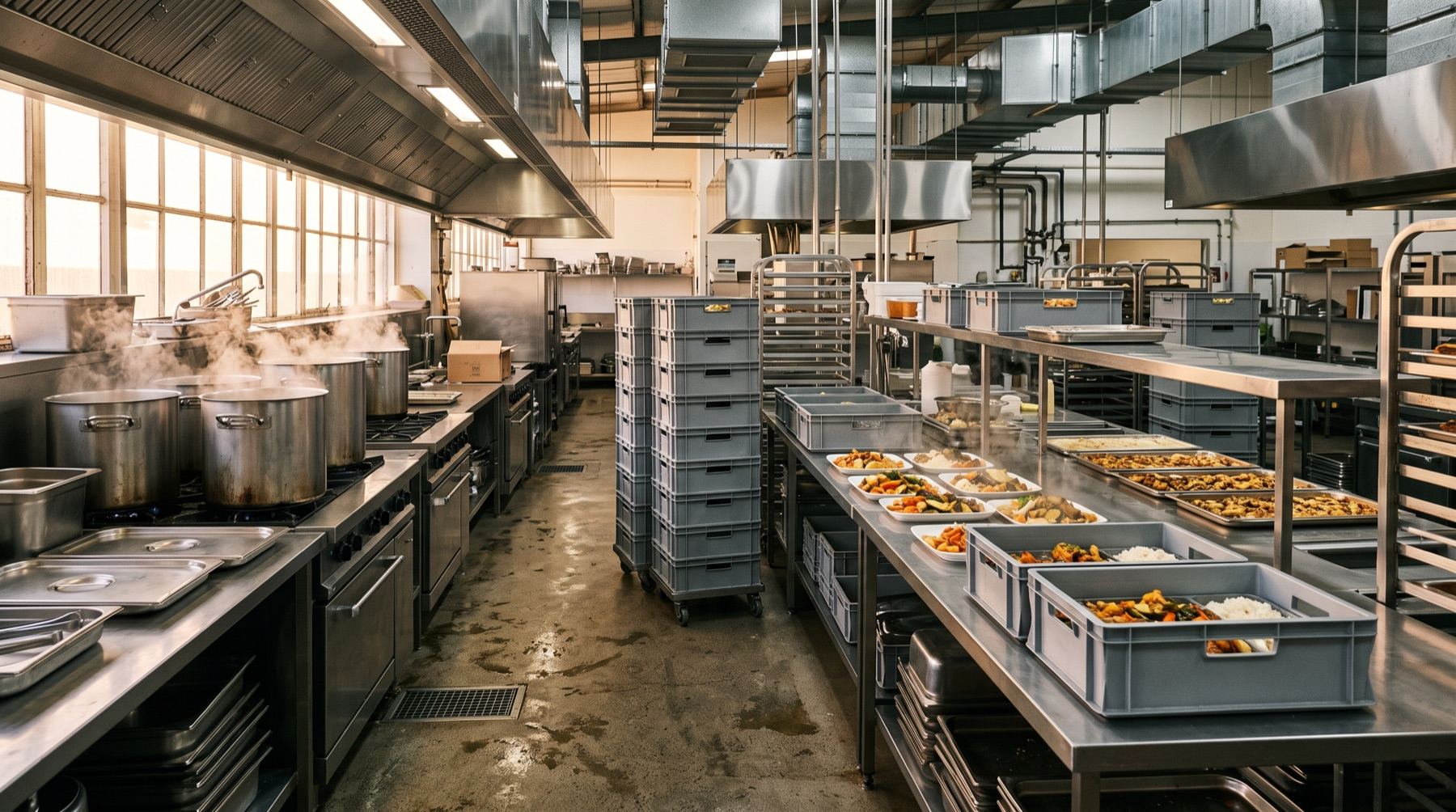
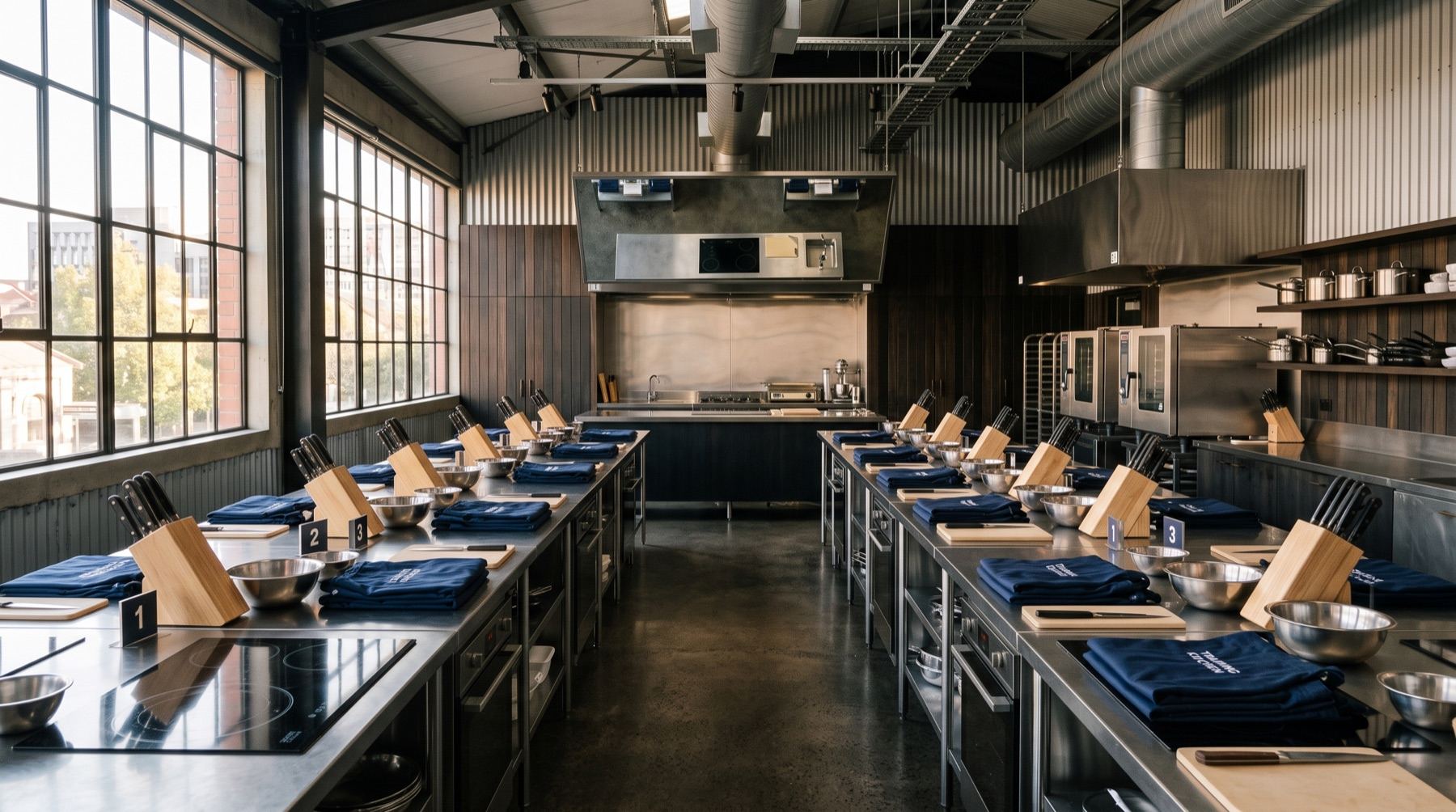
And one number that explains the labs. First Nations people hold under 3 per cent of the businesses in a native foods industry built entirely on First Nations knowledge. The precinct's research and incubation space exists to move that number.
Where the $100 million goes.
- The Road$21MTen electric prime movers, twelve refrigerated trailers, depots and charging at the precinct and Cairns, two en route charging sites, the driver pipeline.
- The Sea$31MTwo vessels acquired and refitted, shore and island infrastructure, regulatory establishment, the crewing pipeline, and the $8 million price response reserve.
- The Precinct$38MLand, warehouse and cold storage, greenhouses, kitchen and training, tech centre, youth space and creche, stage one accommodation, 1.5 megawatts of solar.
- Capability and contingency$10MConsultation at the communities' pace, foundation capability, insurance for cyclone zone assets, contingency.
The ask is $100 million, and no single funder is asked for all of it. Philanthropy takes the risk capital. Government facilities take the infrastructure debt. Energy agencies take the energy assets. Corporate partners take the pillar that maps to the commitments they have already made. The $100 million builds the assets. The climb to full cost recovery needs operating support alongside it, about $50 million across nine years, stated openly in the business case rather than discovered in diligence.
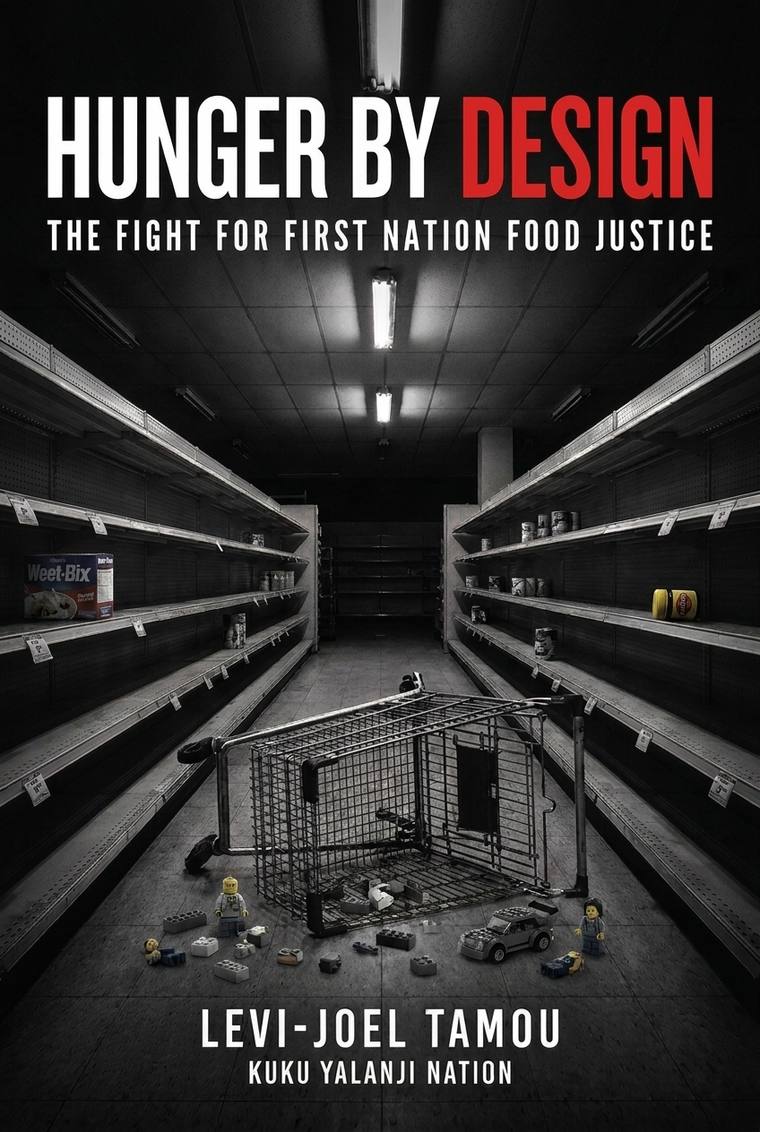
The research this is built on.
Hunger by Design maps the invisible architecture that keeps First Nations communities food insecure: the money loop, the freight monopoly, the procurement design. The Big Dream is the redesign, built. Our founder wrote the book as a Paul Ramsay Foundation Fellow studying food security as structural infrastructure failure, and every claim on this site is sourced, labelled and checkable.
Who builds it.
Lead entity. Registered charity. Jaway is its public face. Holds the mission, the mandate process, and the assets in trust on the way to community equity.
The trading arm. Supply Nation registered, trading now. The kitchen becomes the precinct's first tenant and its first revenue line.
The training pathway. A registered training organisation application is with the regulator, and a Certificate III in Food Security is being developed for accreditation.
Disability supports partner. The precinct is accessible by design, not by retrofit.
The social enterprise group behind the operating companies, aligning commercial capability to the mission.
As each asset proves itself, equity moves to corporations held by the communities served. Ownership is the outcome, not the slogan.
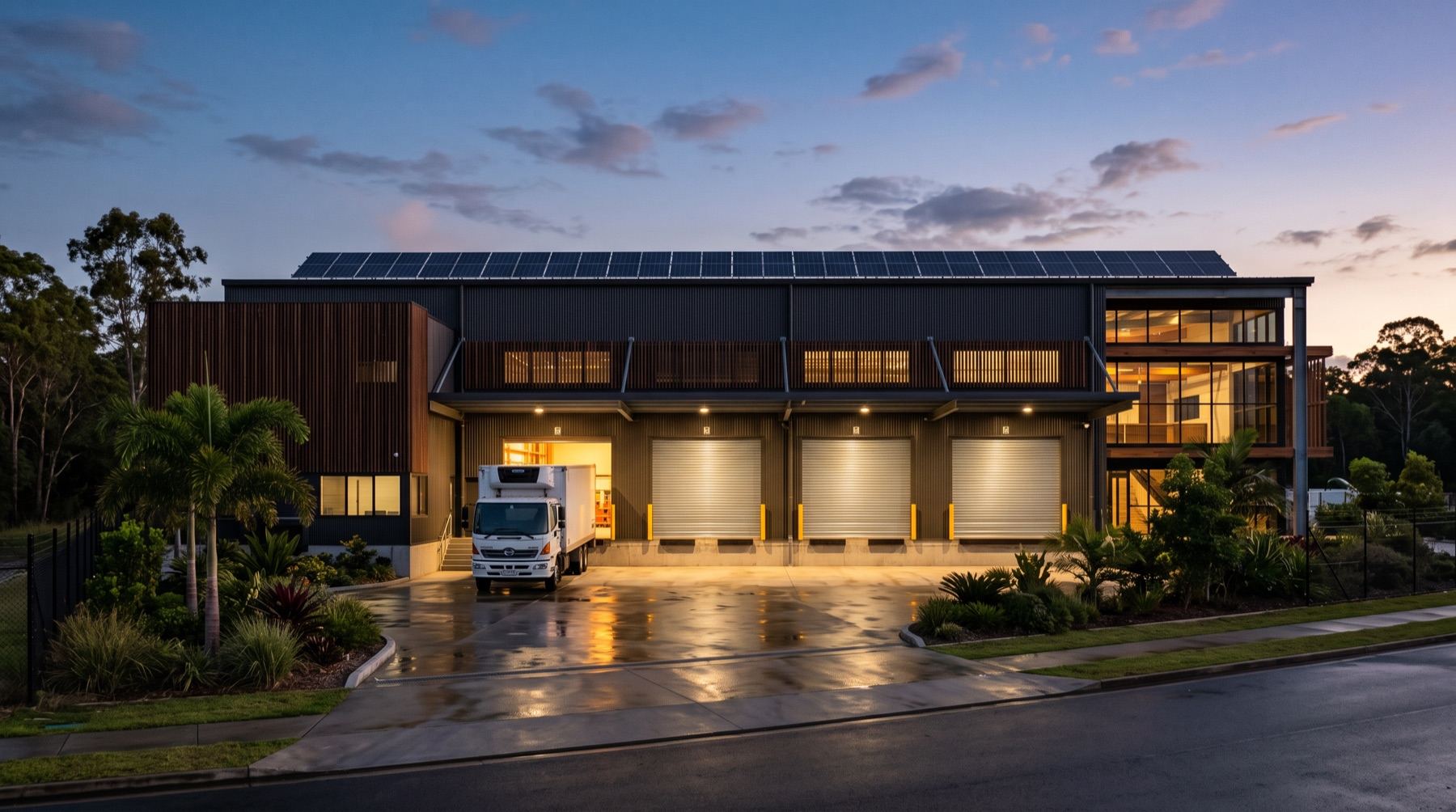
Nothing is built before communities grant the mandate. That is not a sentiment. It is the first gate in the delivery plan. A community's no is a final answer. The budget carries the cost of consultation at the communities' pace. Community data stays under community control.
One funder will anchor this. It could be you.
The cornerstone funder anchors the capital stack. Pillar partners take a piece of the build. Capability partners send their people and their craft. Every one of them gets evidence they can stand behind.
Anchor the capital stack. Open books, a seat beside the governance, and first call on the evidence as it lands.
Fund the Road, the Sea or the Precinct. A discrete asset, a discrete story, and figures your board can hold in one page.
Second an engineer, a mariner, an agronomist, a trainer. Often the most useful thing a company can give is the thing it already does well.
The loop does not break itself. Someone breaks it. That someone could be you.