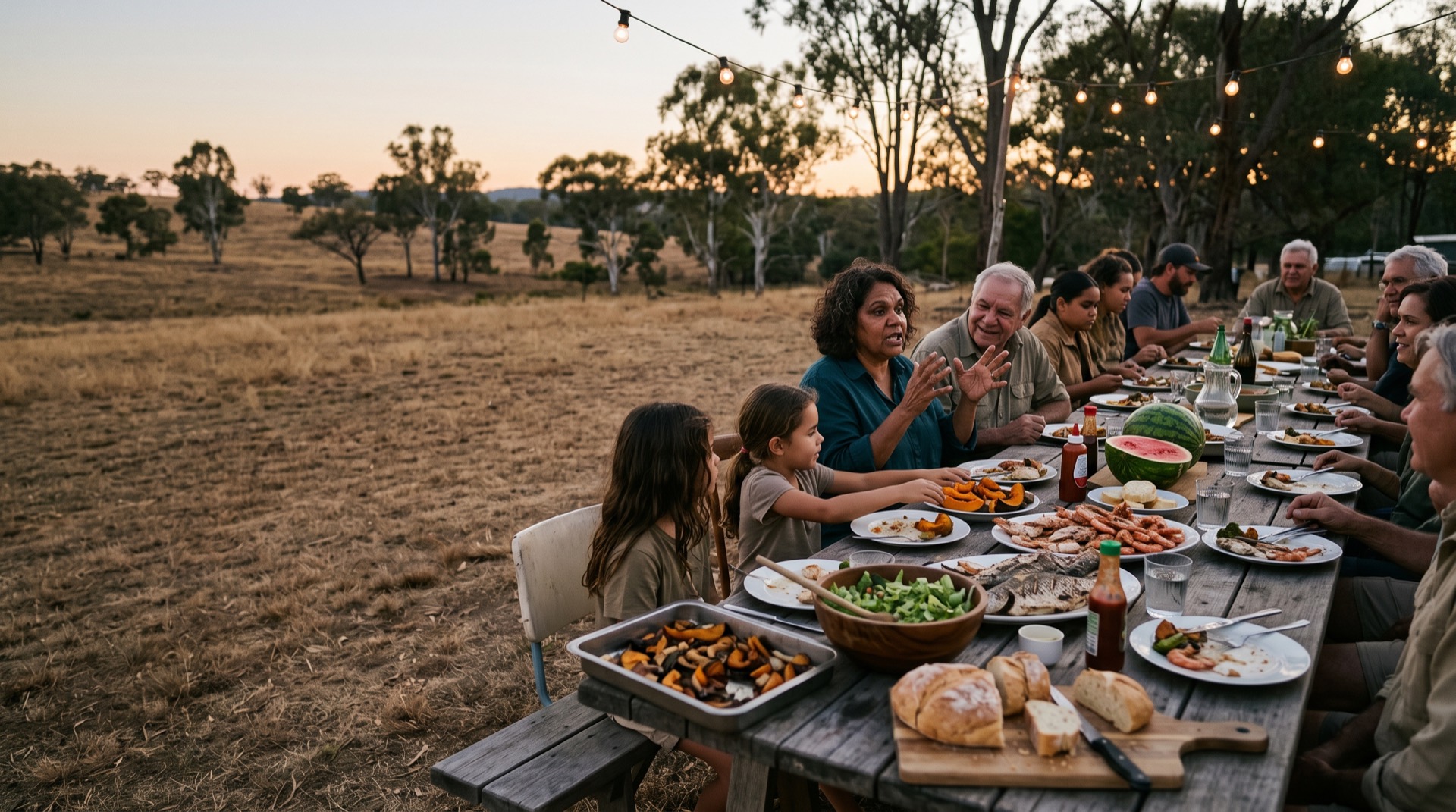
Help a First Nations community own its food supply. Not for a season. For generations.
Jaway connects corporate and government partners with First Nations communities to build the food infrastructure they decide on and own. Farms, fisheries, trucks and cold stores. Real projects, published evidence, no tokenism.
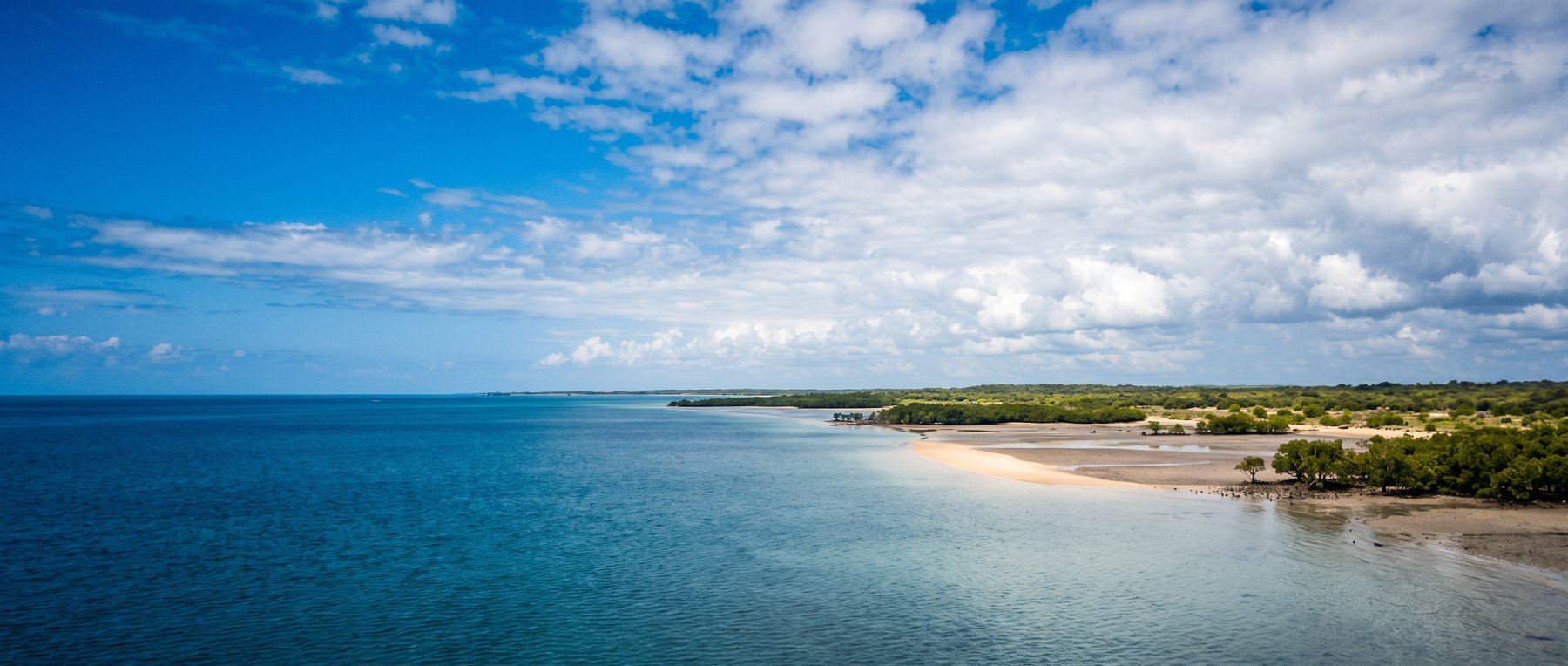
A child cannot learn hungry. An Elder cannot heal hungry.
Food sits beneath every outcome Australia has promised to improve. Yet Closing the Gap, the national agreement that tracks those outcomes, has no target for food.
Ending the food crisis in First Nations communities within our lifetime is possible. It will be done by partners like you.
Federal remote food security commitments announced 2023 to 2026, little of it staying as First Nations wealth
More that food can cost in the remote Torres Strait than on the mainland
Of the continent First Nations people hold legal interests in
Years First Nations communities have fed this continent
We spent seven years doing food relief. We were good at it. Food on tables, cooking classes, money kept in community. And every Friday we faced the same truth. We would be needed again on Monday.
Relief is a subscription. The community never gets to cancel it, because the community never gets to own anything.
Ownership is the only food program that ends.
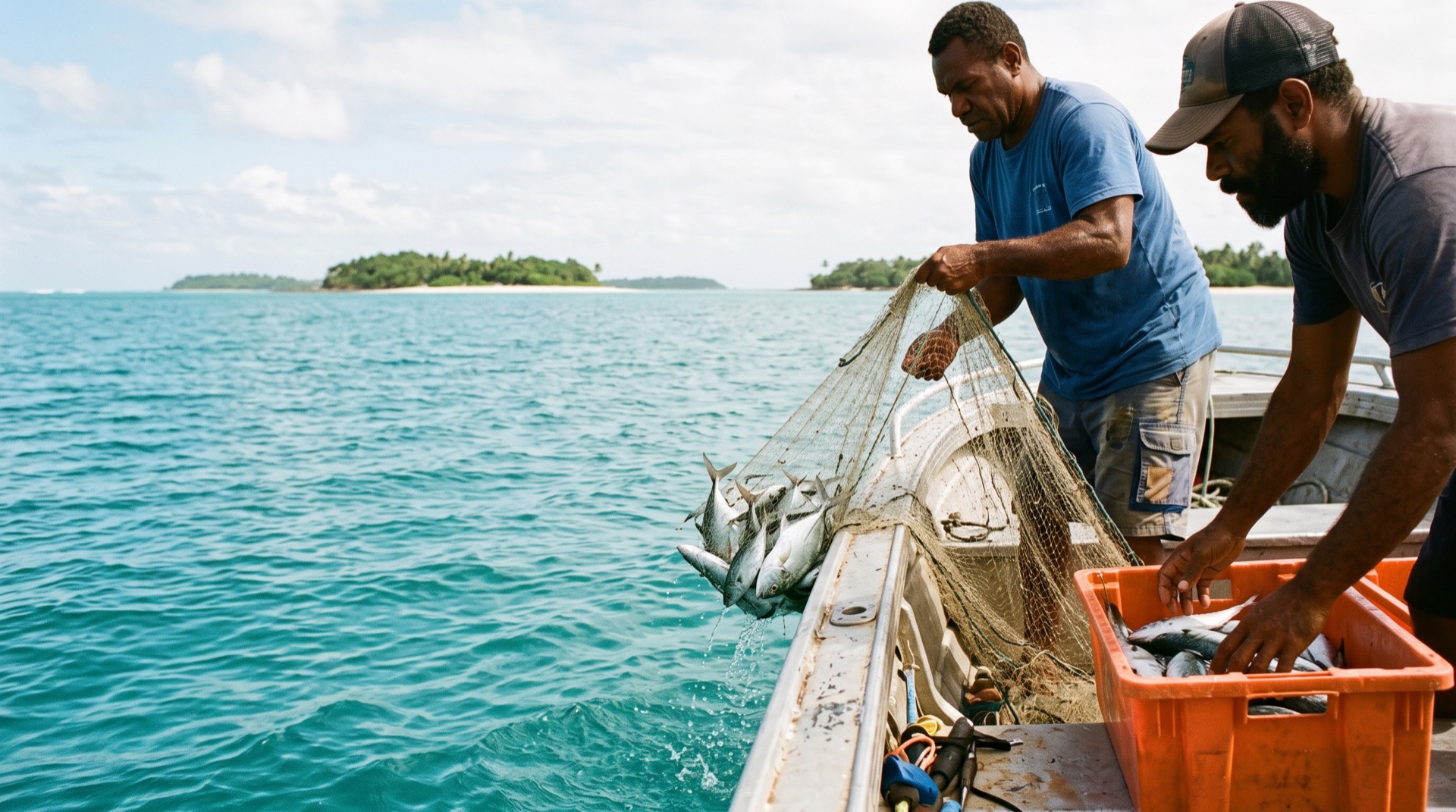
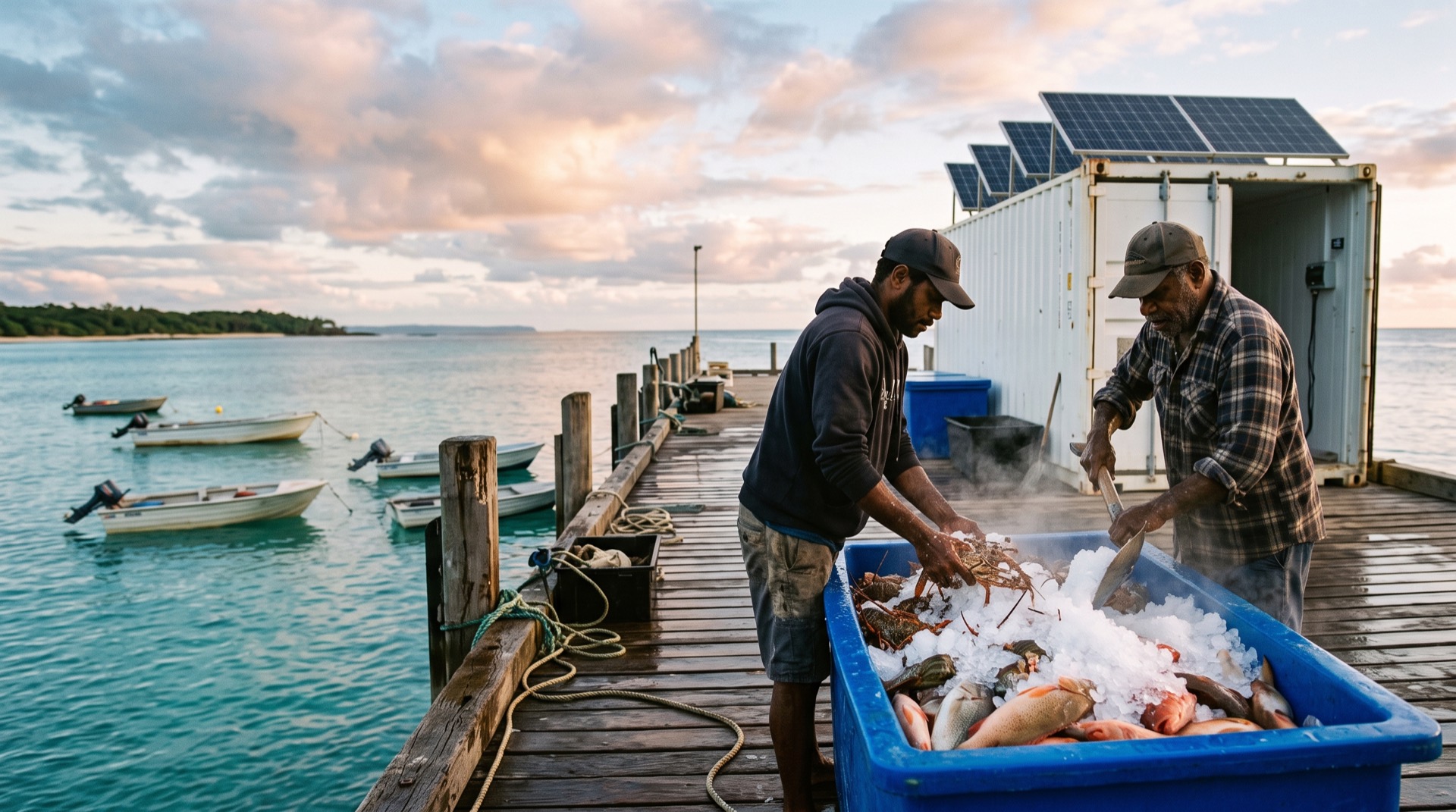
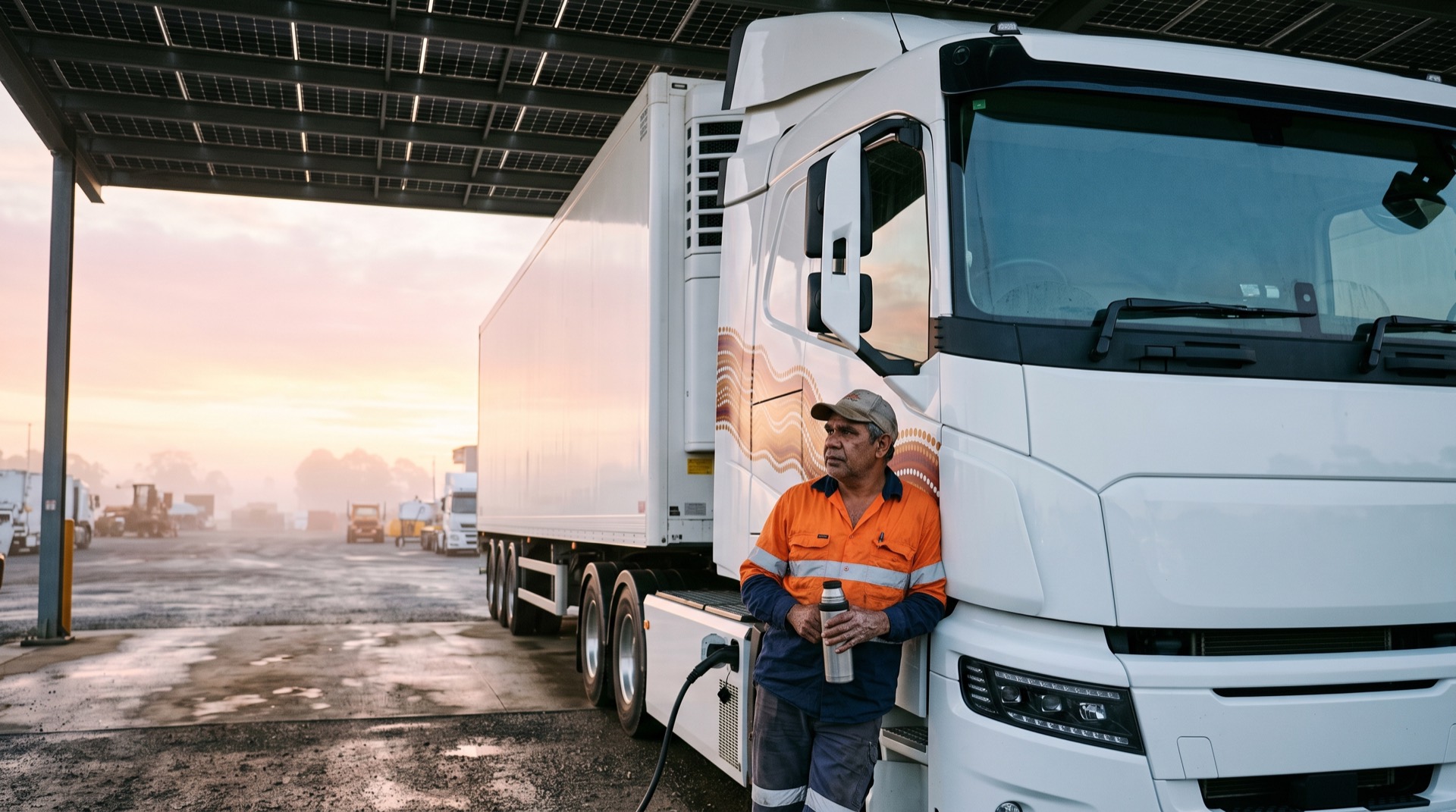
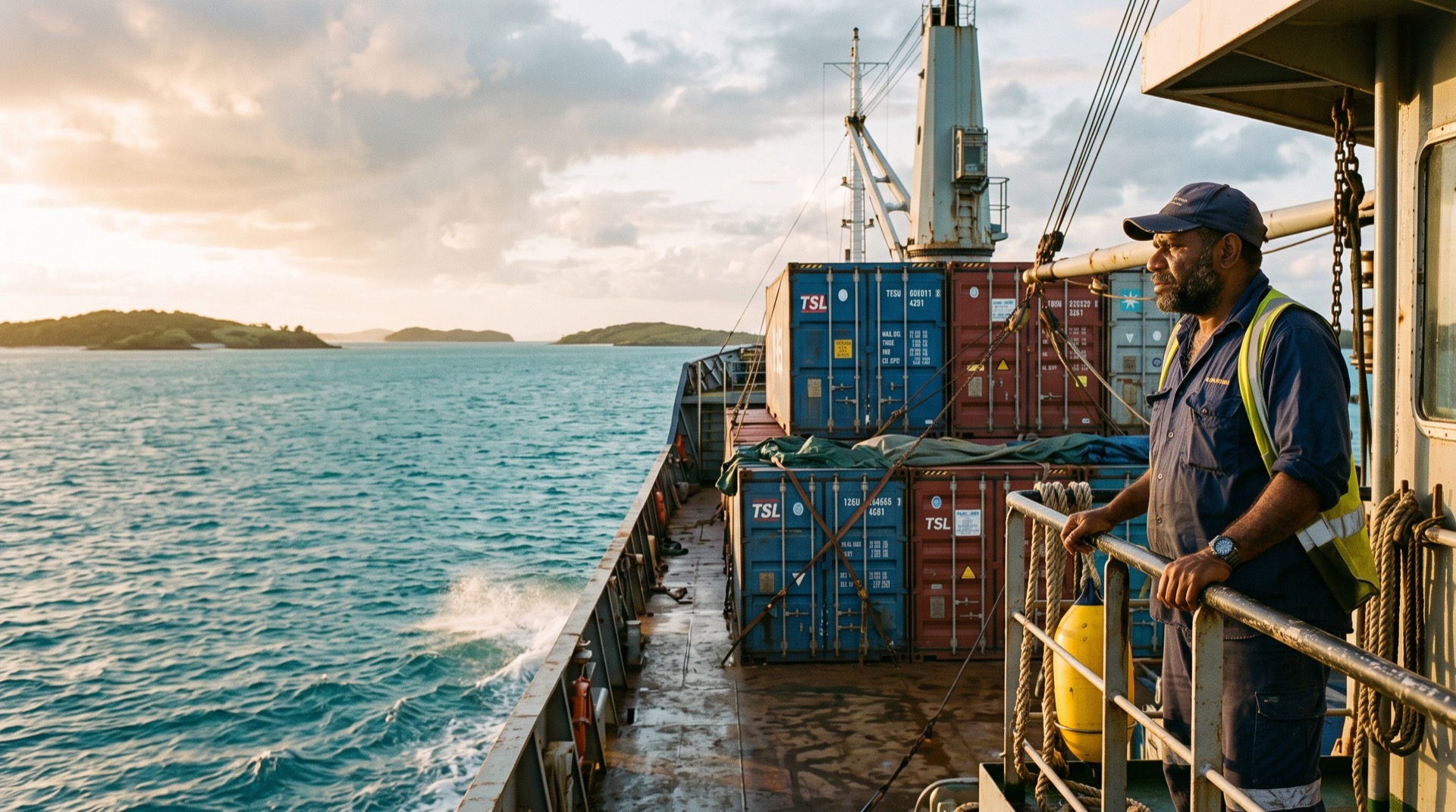
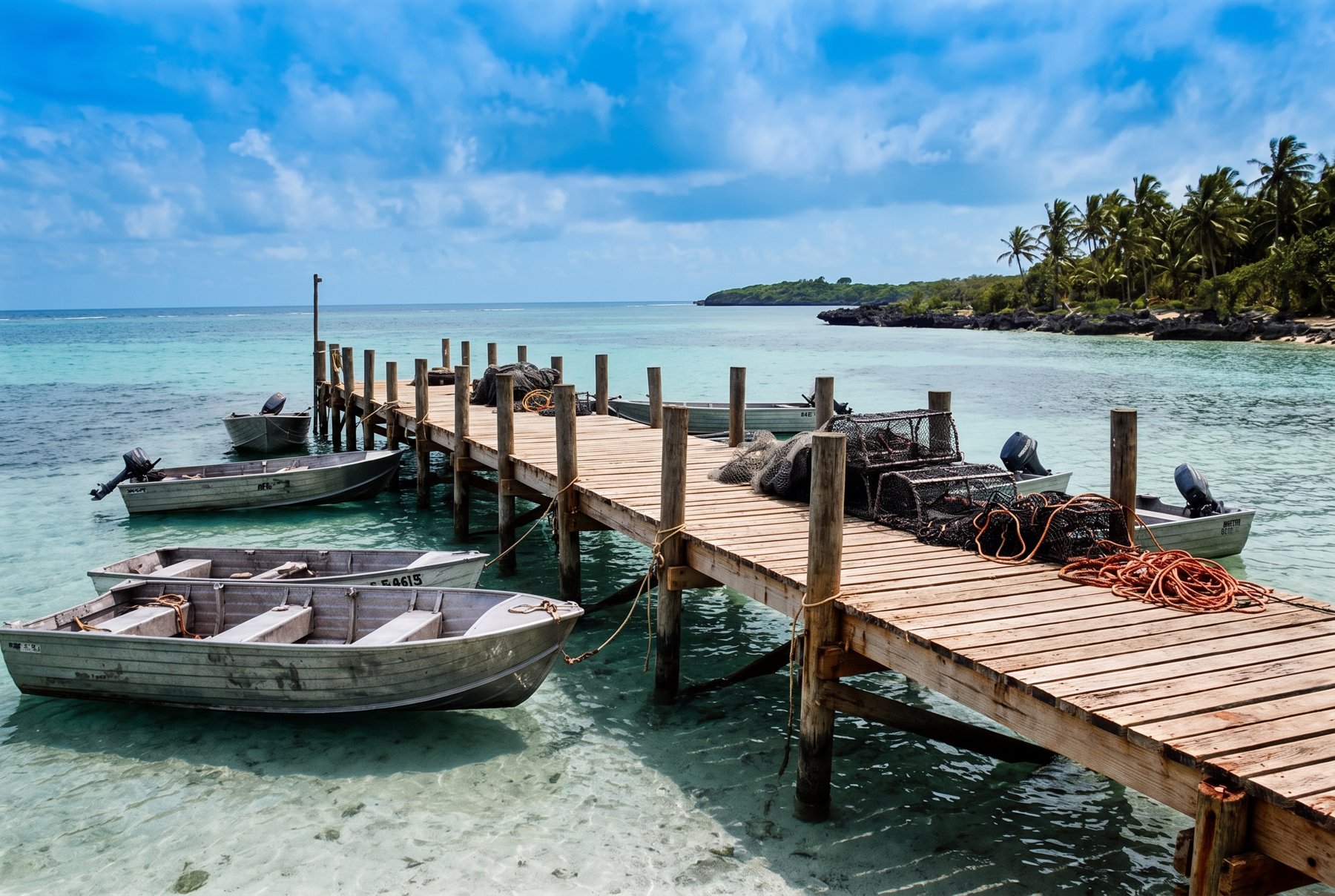
So we changed the question. We stopped asking how to get food into communities and started asking how communities come to own the farm, the boat, the truck and the cold store. That is Jaway.
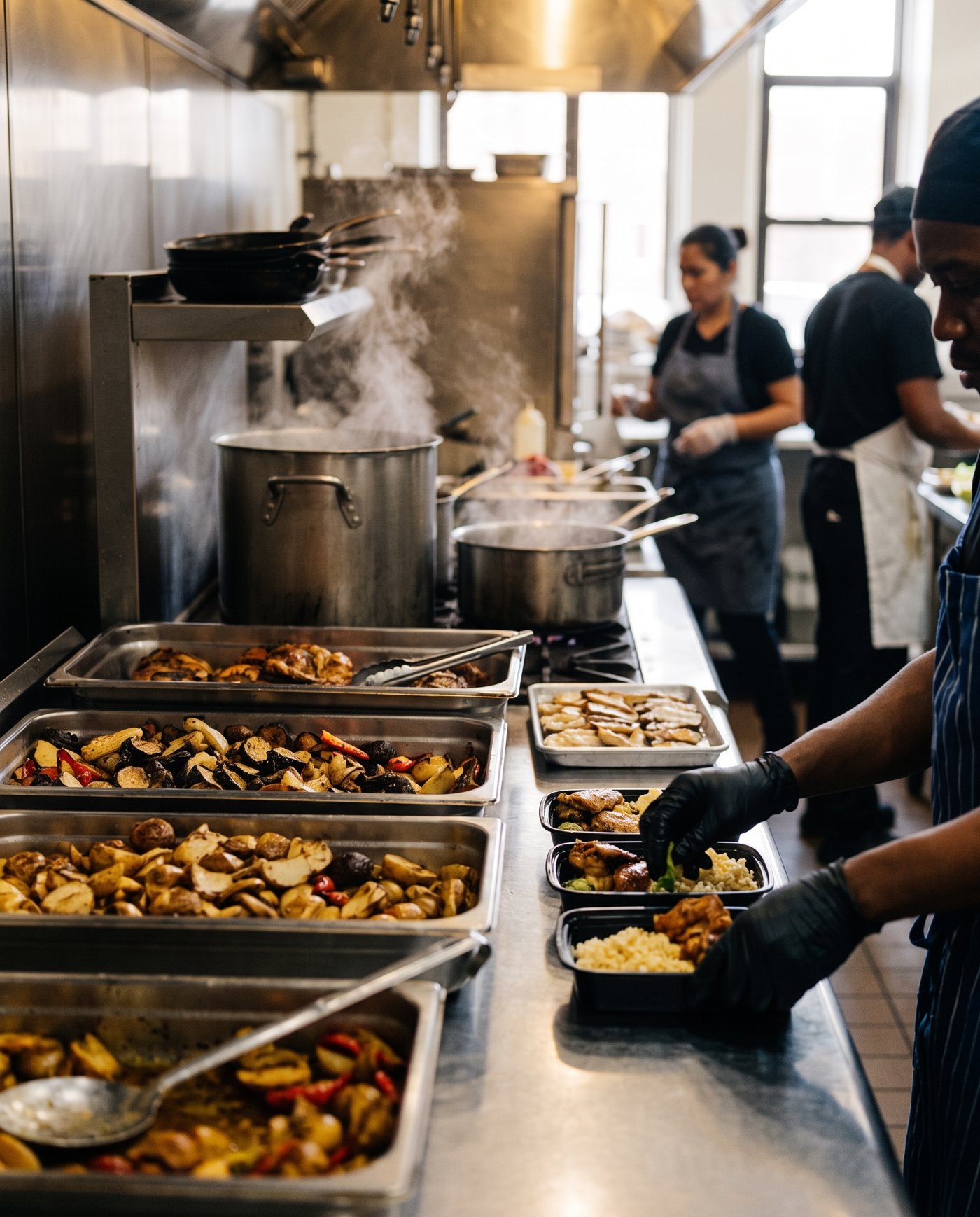
We have not walked away from relief. Every fortnight we still deliver food and run cooking classes in community. But relief is the bridge, not the destination.
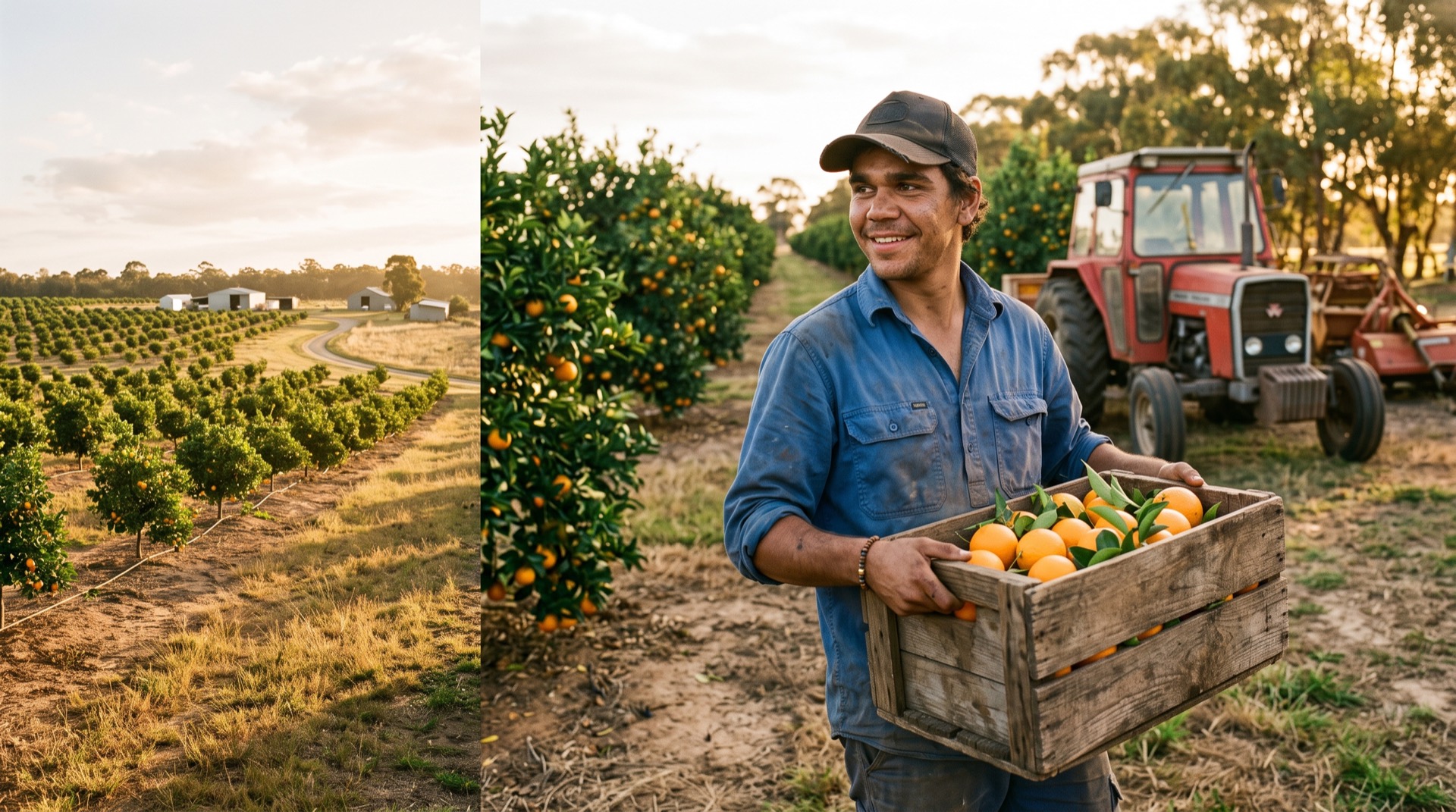
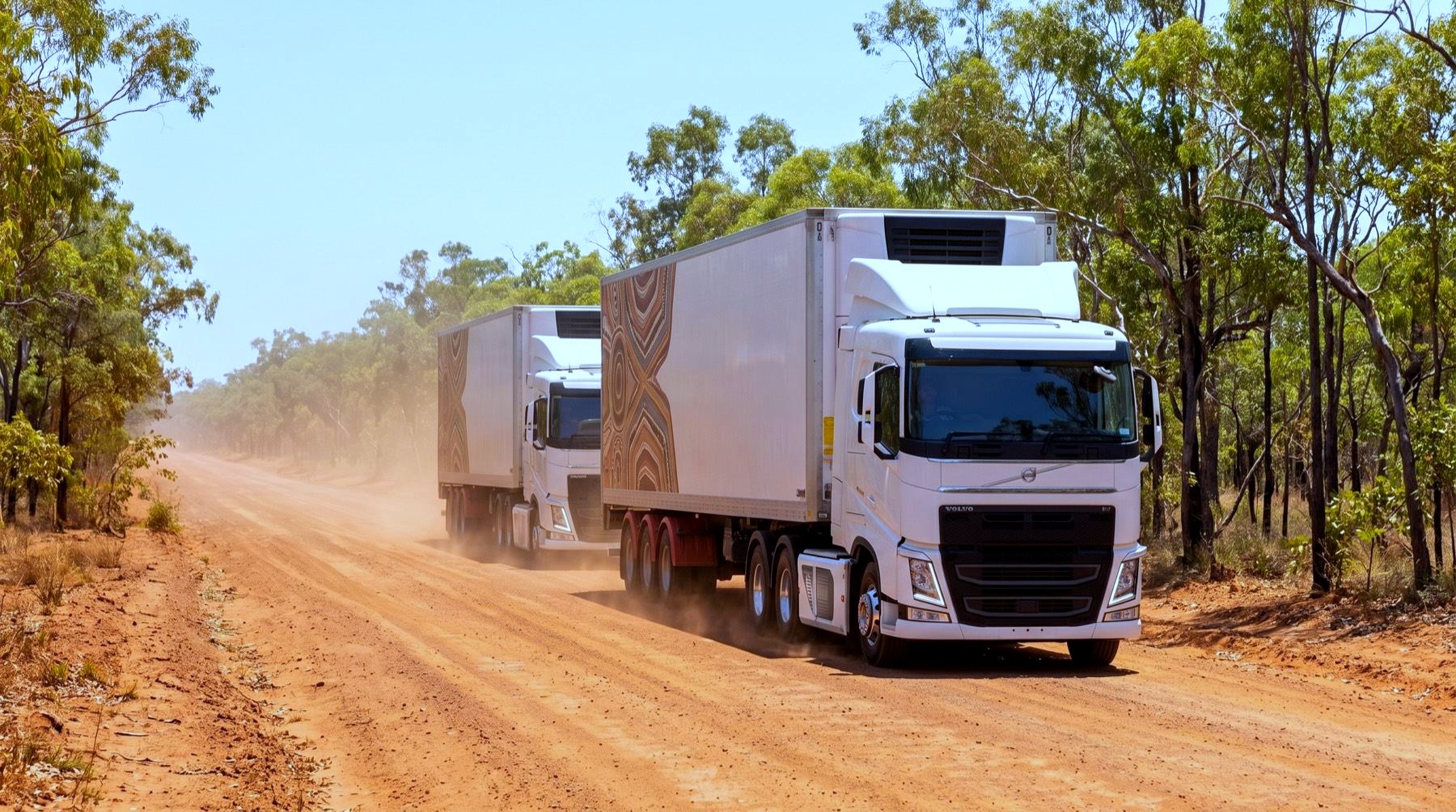
Choose a project. Every project is decided by community and fully scoped, from a $60,000 tractor to an electric truck fleet. Pick the one that fits your RAP or your funding mandate.
Fund it through Jaway. Researchers document the evidence at every stage, so you report real outcomes, not activities.
The community owns it. What gets built stays built, as First Nations wealth, not program spend.
From a single tractor to a whole truck fleet.
Every project starts with a community decision and ends with the community owning what gets built. Pick the scale that fits.
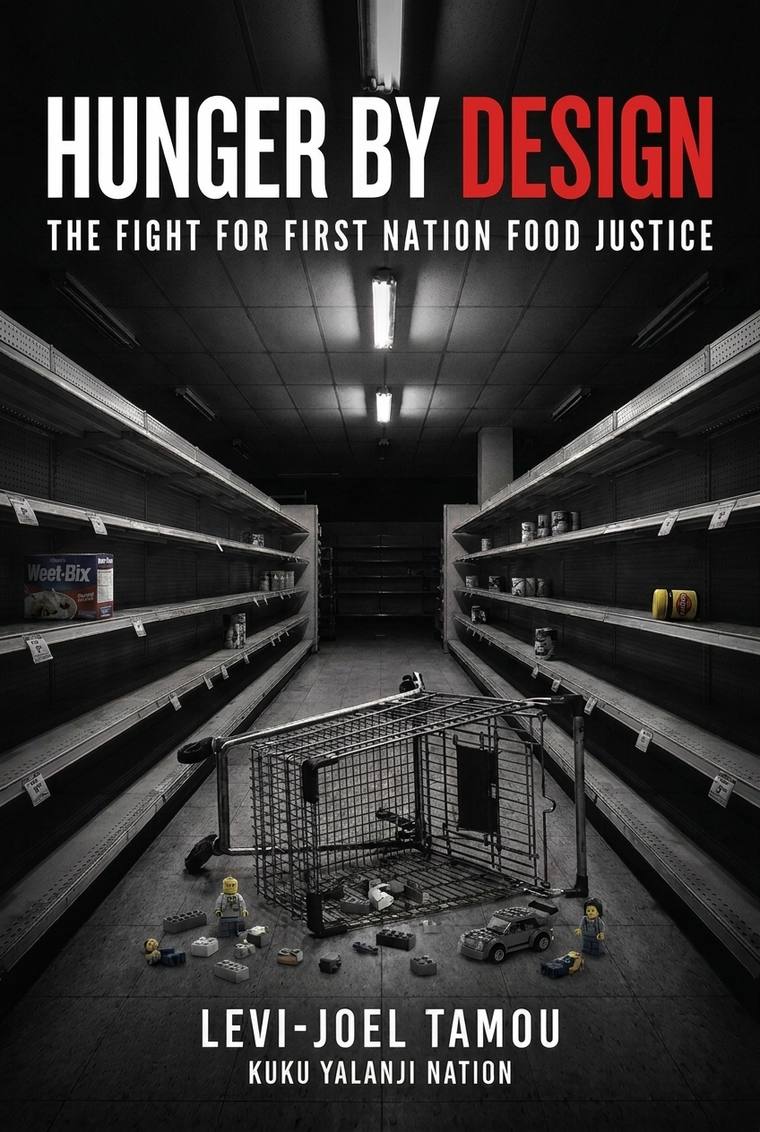
It started with a book.
Our founder, Levi Joel Tamou, spent three years researching why food costs so much in remote First Nations communities, and wrote what he found in Hunger by Design. The book traces how funding, freight and procurement keep communities from owning any part of their own food system, and it sets out the fix. Community owned infrastructure. Planning led by community. A national food target. Jaway is that fix, put to work.
I respect the careful way they are approaching the food hub. Planning for sustainability, community leadership, and long term food sovereignty.
Food security is not a Closing the Gap target.
We believe it should be. A national target would give food the same standing as housing, health and education, with a baseline, a budget line and a plan to build. Add your name and we will carry the petition to the Joint Council on Closing the Gap.
The communities have already decided what they want to build. The plans are scoped. The evidence is written. The only thing missing is a partner who would rather fund ownership than another round of relief.
That partner could be you. Join us.